Housing
How Much Rent Can You Afford on Your Take-Home Pay?
Discover how to determine affordable rent by evaluating your take-home pay, local benchmarks, and personal needs.

Understanding Take-Home Pay
Take-home pay, also known as net income, is the amount of money you receive after all deductions such as taxes, insurance, and retirement contributions. It's the actual amount available for you to spend or save.
Knowing your take-home pay is crucial for budgeting, especially when determining how much rent you can afford. It provides a realistic view of your financial standing and helps in setting a feasible budget.
- Gross income: Total earnings before deductions.
- Net income: Earnings after taxes and other deductions.
- Importance: Key for setting realistic budgets.

The 30 Percent Rule
A common guideline for determining affordable rent is the 30 percent rule. This rule suggests that you should spend no more than 30% of your take-home pay on rent. This percentage is designed to ensure that you have enough remaining income to cover other expenses such as utilities, groceries, and savings.
While this rule provides a starting point, it may not suit everyone due to varying personal circumstances and local cost-of-living differences.
- 30% rule: Traditional guideline for rent budgeting.
- Pros: Simplifies budgeting, prevents overspending on housing.
- Cons: May not account for high cost-of-living areas.
Local Benchmarks and Cost of Living
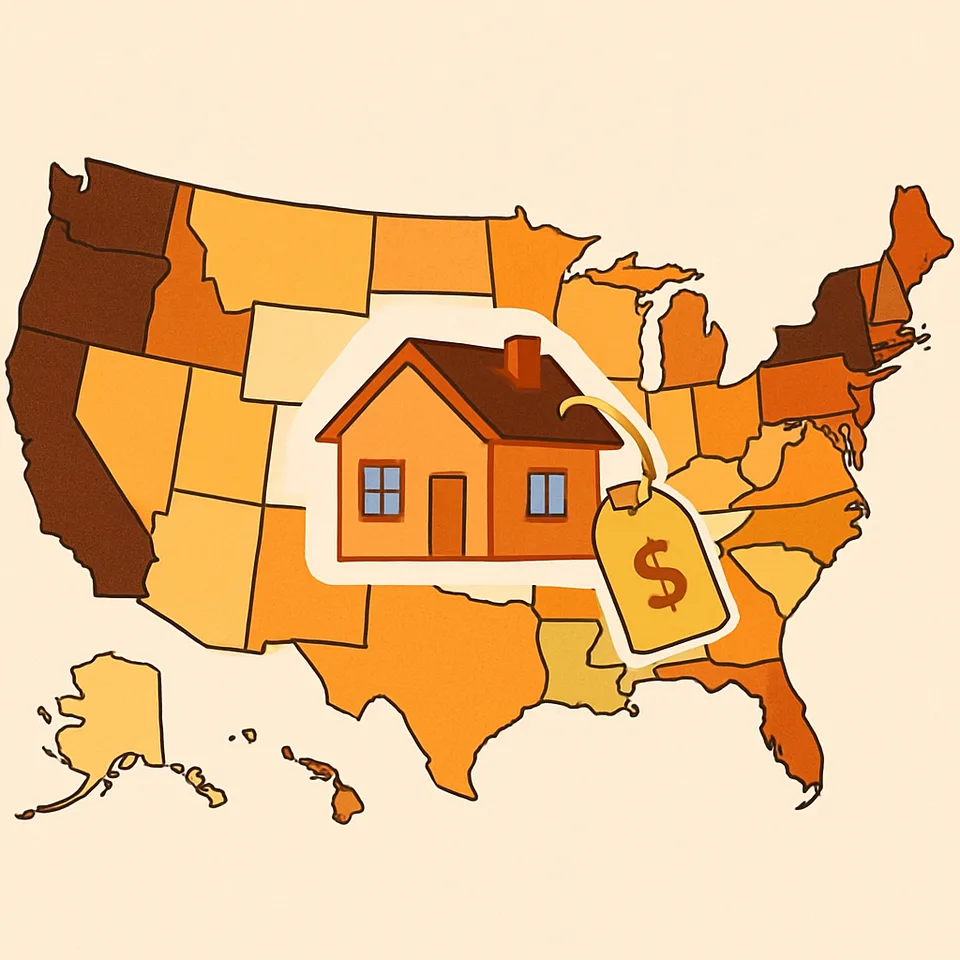
Local cost of living significantly impacts how much you can afford to spend on rent. In high-cost areas, the 30 percent rule might be unrealistic, requiring adjustments.
Researching local rental market trends can provide insight into average rental costs in your area. Websites like Zillow or local real estate agencies can offer valuable data.
Consider regional salary averages and compare them with your income to understand how your earnings stack up against local standards.
- Research local rental market trends.
- Compare your income to regional salary averages.
- Adjust the 30% rule based on local cost-of-living.
Needs vs Wants in Housing
When budgeting for rent, it’s crucial to distinguish between needs and wants. Needs are essentials like safety, proximity to work, and necessary amenities. Wants might include luxury features such as a pool or a gym.
Prioritizing needs over wants can help you find a rental property that fits your budget while still meeting your essential requirements. This approach can also help you avoid overspending on unnecessary features.
- Identify essential needs: location, safety, necessary amenities.
- List wants: luxury features, extra space.
- Prioritize needs to stay within budget.
Paycheck-Based Budgeting
Budgeting based on your paycheck frequency can help manage rent payments effectively. Whether you are paid weekly, biweekly, or monthly, aligning your rent payments with your paycheck schedule can prevent cash flow issues.
For instance, if you are paid biweekly, consider saving half of your rent from each paycheck. This strategy ensures you have the full rent amount by the due date without straining your finances.
- Align rent payments with paycheck schedule.
- Save a portion of rent from each paycheck.
- Prevent cash flow issues with strategic planning.

Practical Steps to Calculate Affordable Rent
Calculating how much rent you can afford involves a few practical steps. Start by determining your monthly take-home pay. Then, apply the 30 percent rule to get a baseline figure.
Next, research local rental costs to see if your baseline aligns with market rates. Adjust your budget as needed based on local benchmarks and personal financial obligations.
Finally, factor in your needs vs wants to ensure your chosen rental meets essential criteria without exceeding your budget.
- Determine monthly take-home pay.
- Apply the 30% rule for a baseline.
- Research local rental costs.
- Adjust based on local benchmarks and personal obligations.
- Factor in needs vs wants for final decision.
Frequently asked questions
How do I calculate my take-home pay?
Subtract all deductions such as taxes, insurance, and retirement contributions from your gross income to calculate your take-home pay.
Is the 30% rule always applicable?
The 30% rule is a guideline, not a hard rule. It may not be suitable in high-cost areas or for individuals with unique financial situations.
What if local rents exceed my budget?
Consider adjusting your expectations, looking for roommates, or exploring less expensive neighborhoods to find affordable options.
How can I save for rent with a biweekly paycheck?
Save half of your rent from each biweekly paycheck to ensure you have the full amount by the due date, preventing cash flow issues.
What should I prioritize in my rental search?
Prioritize needs such as safety and location over wants like luxury amenities to stay within your budget.
Educational disclaimer
This content is for educational purposes only and should not be considered personalized financial advice. Please consult a financial advisor for advice specific to your situation.
Budgetmend provides budgeting tools and educational content. We are not a bank, lender, tax advisor, or investment advisor.
Related articles
More practical guides to help you plan around your paycheck.