Paycheck Planning
A Calm Plan to Stop Living Paycheck to Paycheck
Discover a calm, practical approach to break free from the paycheck-to-paycheck cycle. Focus on small wins and build a financial buffer.
Understanding the Paycheck-to-Paycheck Cycle
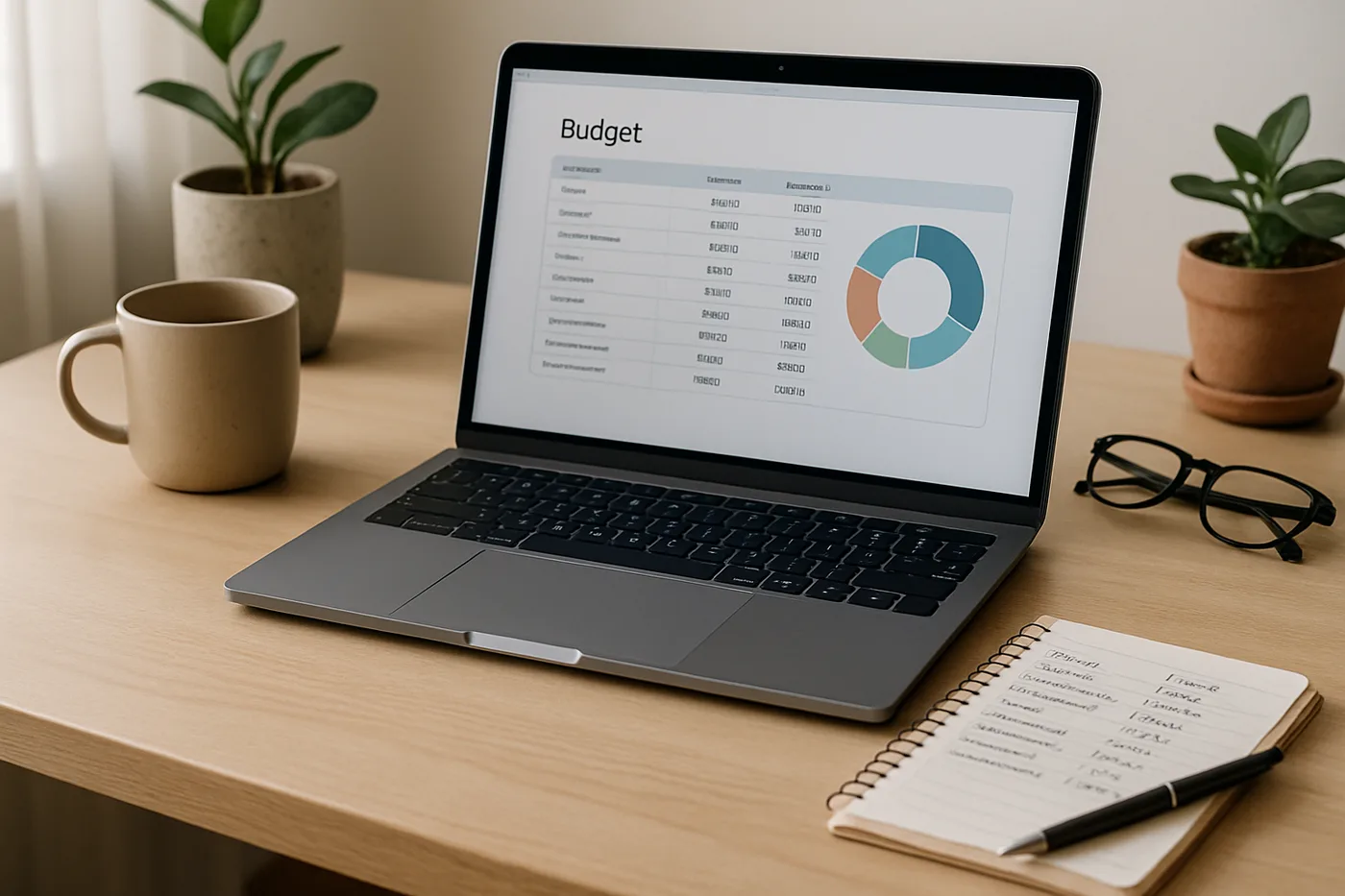
Living paycheck to paycheck means relying entirely on your next paycheck to cover your expenses. This cycle can be stressful and limit your financial freedom. The good news is that with a calm and steady approach, you can break free from this cycle.
The first step is understanding that this situation is common and not a reflection of personal failure. Many factors, such as rising living costs and unexpected expenses, contribute to this cycle.
Assessing Your Current Financial Situation
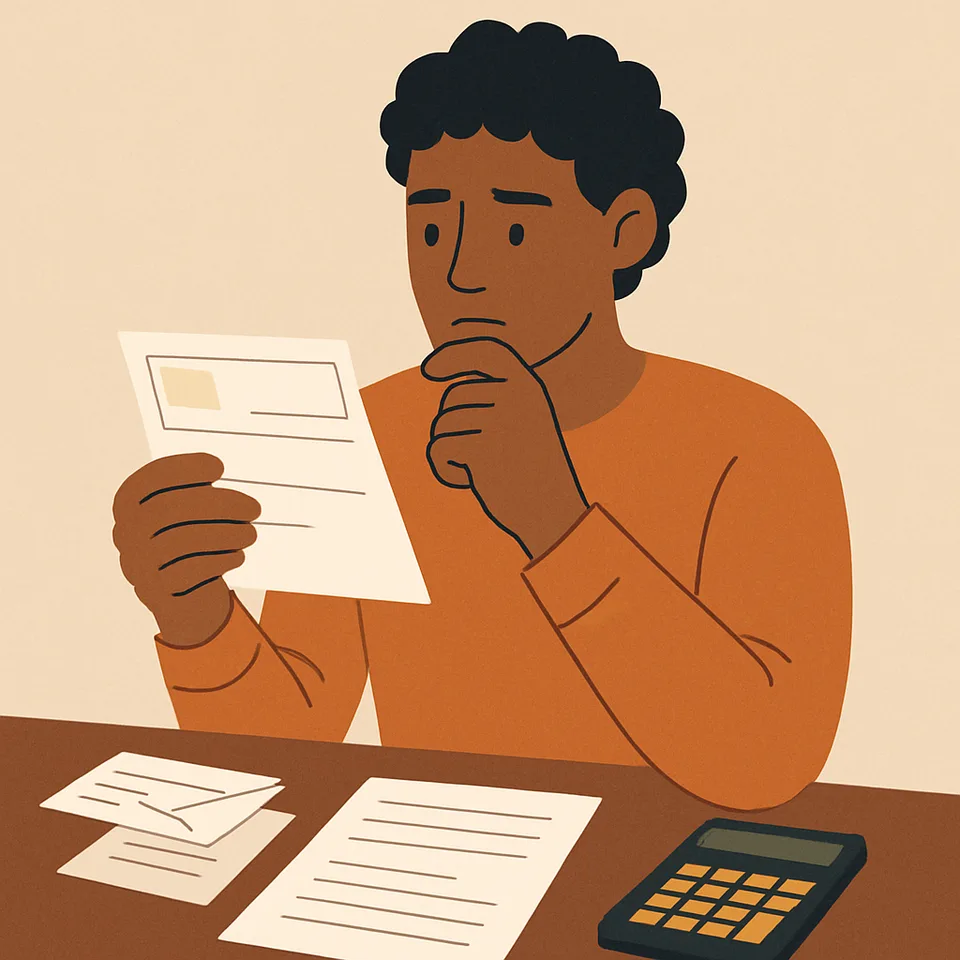
Before making any changes, it's important to have a clear picture of your current financial situation. This involves listing all sources of income and all monthly expenses.
Start by reviewing your last few months of bank statements. Identify your income sources and categorize your expenses into fixed (rent, utilities) and variable (groceries, entertainment) costs.
- List all sources of income.
- Categorize expenses into fixed and variable.
- Review bank statements for at least three months.
Creating a Realistic Budget
With a clear understanding of your finances, the next step is to create a realistic budget. A budget helps you allocate your income efficiently and plan for future expenses.
Consider using the 50/30/20 rule: 50% for needs, 30% for wants, and 20% for savings and debt repayment. Adjust these percentages to fit your personal circumstances.
For those paid weekly or biweekly, consider a paycheck-based budgeting system. This involves planning your expenses according to each paycheck rather than monthly.
Building a Financial Buffer
A financial buffer is a small emergency fund that can prevent you from falling back into the paycheck-to-paycheck cycle. Start small, aiming to save $500 as an initial goal.
To build this buffer, set aside a small, manageable amount from each paycheck. This could be as little as $10 or $20, depending on your budget.
Consider automating your savings to ensure consistency. Many banks offer automatic transfers from checking to savings accounts.
- Set a small initial savings goal.
- Save a manageable amount from each paycheck.
- Automate savings to ensure consistency.
Celebrating Small Wins
As you work towards financial stability, it's important to celebrate small victories. Whether it's successfully sticking to your budget or reaching your first savings milestone, acknowledging these achievements can motivate you to keep going.
Consider setting up a reward system for yourself. For example, treat yourself to a small indulgence when you reach a savings goal.
- Acknowledge each financial achievement.
- Set up a personal reward system.
Adjusting Your Budget as Needed
Life is unpredictable, and your budget should be flexible enough to accommodate changes. Regularly review your budget and adjust it as necessary to reflect changes in income or expenses.
If you receive a raise or bonus, consider allocating a portion towards increasing your financial buffer or paying down debt.
- Review your budget regularly.
- Adjust for changes in income or expenses.
- Allocate extra income towards savings or debt.
Frequently asked questions
How can I save money if I live paycheck to paycheck?
Start by setting aside a small, manageable amount from each paycheck. Automate savings to ensure consistency and gradually increase the amount as you're able.
What is a paycheck-based budgeting system?
Paycheck-based budgeting involves planning your expenses around each paycheck rather than on a monthly basis, which can help manage cash flow better.
How much should I save for an emergency fund?
Begin with a goal of $500, then gradually work towards saving three to six months' worth of living expenses.
What is the 50/30/20 budgeting rule?
The 50/30/20 rule allocates 50% of income to needs, 30% to wants, and 20% to savings and debt repayment.
How often should I review my budget?
Review your budget at least once a month or whenever there are significant changes in your financial situation.
Educational disclaimer
This content is for educational purposes only and should not be considered personalized financial advice. Please consult a financial advisor for advice specific to your situation.
Budgetmend provides budgeting tools and educational content. We are not a bank, lender, tax advisor, or investment advisor.
Related articles
More practical guides to help you plan around your paycheck.