Income Changes
Side Income and Your Budget: What to Set Aside for Taxes
Learn how to manage your side income taxes effectively, ensuring you're prepared for quarterly estimates without feeling overwhelmed.

In today's gig economy, many individuals are turning to side hustles to supplement their primary income. Whether you're driving for a rideshare company, freelancing, or selling handmade crafts online, it's important to consider the tax implications of this additional income. According to the IRS, any income earned from a side job is taxable, and failing to account for this can lead to unpleasant surprises come tax season. The key to managing side income taxes without feeling overwhelmed is to plan ahead, especially when it comes to making quarterly estimated tax payments. This proactive approach not only helps you avoid penalties but also ensures that you're not caught off guard by a hefty tax bill.
- Calculate your expected annual side income to determine your quarterly tax obligations.
- Set aside a consistent percentage of your side income for taxes, typically around 25-30%.
- Keep detailed records of all income and expenses related to your side hustle.
- Consider using a separate bank account for your side income to simplify tracking.
- Use tax software or consult with a tax professional to help with quarterly estimates.
Key Takeaways
Managing side income taxes is crucial for maintaining a balanced budget. As more individuals engage in gig work, freelancing, or other forms of side hustles, understanding the tax implications becomes essential. By grasping the concept of quarterly tax estimates, individuals can avoid financial stress and ensure compliance with tax obligations. This involves calculating your expected annual income from all side sources and determining the appropriate tax rate. Proper planning and setting aside the right amount for taxes can prevent surprises during tax season, allowing you to focus on growing your side ventures without the looming worry of unexpected tax bills. This proactive approach not only helps in avoiding penalties but also contributes to a more stable financial situation.
| Point | Details |
|---|---|
| Point | Details |
| Understanding Side Income | Recognize all sources of side income to accurately calculate tax obligations. This includes freelance work, rental income, and any other non-traditional earnings. |
| Quarterly Estimates | Make quarterly tax payments to avoid penalties and manage cash flow effectively. This involves estimating your annual income and dividing the tax liability into four manageable payments. |
| Budgeting for Taxes | Set aside a portion of your side income regularly to cover tax liabilities. A common strategy is to allocate a percentage of each payment received into a separate account dedicated to taxes. |
| Avoiding Overwhelm | Simplify tax management by using tools and resources designed for side income earners. Consider using accounting software or consulting with a tax professional to streamline the process. |
| Financial Stability | Proper tax planning contributes to a more predictable and stable financial future. By staying on top of tax obligations, you can avoid last-minute scrambles and ensure that your financial goals remain on track. |
What Are the Tax Implications of Side Income?
Earning side income can be a great way to boost your financial situation, but it also comes with specific tax obligations that you must understand to avoid surprises come tax season. Unlike regular employment income, side income often doesn't have taxes withheld automatically. This means you're responsible for calculating and setting aside the appropriate amount to cover your tax liabilities. A crucial aspect to consider is self-employment taxes, which include both Social Security and Medicare taxes. These are typically higher than the payroll taxes deducted from a regular paycheck because, as a self-employed individual, you are responsible for both the employee and employer portions.
To manage these obligations without feeling overwhelmed, it's essential to develop a system for setting aside funds regularly. Many financial experts recommend setting aside approximately 25% to 30% of your side income for taxes. This percentage can vary depending on your total income and tax bracket, but it serves as a general guideline. Additionally, you may need to make quarterly estimated tax payments to the IRS to avoid penalties. These payments are due in April, June, September, and January of the following year, and they help ensure that you're not hit with a large bill at the end of the year.
Pro Tip: Consider using a separate savings account specifically for tax savings. This can help you keep track of the funds you need to set aside and prevent accidental spending.
How Can You Estimate Your Tax Liability?
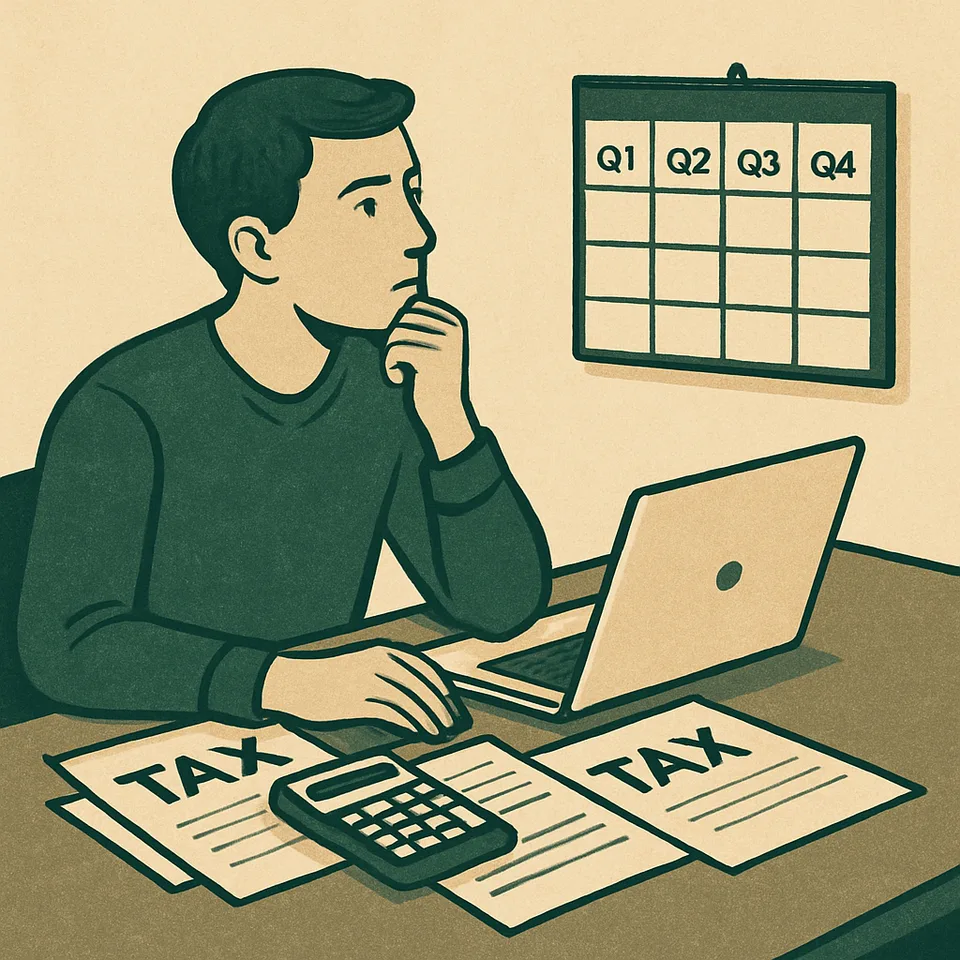
Estimating your tax liability on side income can initially seem daunting, but with the right approach, it becomes manageable. One effective method is to use the IRS Tax Withholding Estimator, which helps you determine how much you should set aside. This tool considers your total income, including wages and side earnings, to provide a comprehensive view of your tax obligations. By inputting your expected annual income and deductions, you can get a clearer picture of your quarterly tax payments.
Another approach is to apply the safe harbor rule, which involves paying at least 90% of the current year’s tax liability or 100% of the previous year’s liability, whichever is smaller. This method can protect you from underpayment penalties. Additionally, using tax software can simplify the process by offering step-by-step guidance and automatically calculating your estimated taxes based on your inputs.
For those with fluctuating side income, keeping detailed records of your earnings and expenses is crucial. This practice not only assists in accurate tax calculations but also helps in identifying deductible expenses, thus reducing your overall tax burden. Regularly updating these records ensures you have the most accurate information when estimating your taxes.
Pro Tip: Set aside a percentage of each payment you receive from your side income for taxes—typically 25-30%—to avoid last-minute scrambles when quarterly payments are due.
| Method | Description | Best For |
|---|---|---|
| IRS Tax Withholding Estimator | Online tool for estimating taxes based on total income. | Salaried individuals with side income. |
| Safe Harbor Rule | Pay 90% of current year or 100% of last year's taxes. | Those seeking to avoid penalties. |
| Tax Software | Automated calculations and guidance. | Individuals new to side income taxes. |
| Detailed Record Keeping | Track earnings and expenses for accurate estimates. | Freelancers with variable income. |
How Much Should You Set Aside for Taxes?
Determining the right amount to set aside for taxes from your side income can initially seem daunting, but with a strategic approach, it becomes manageable. A common recommendation is to allocate 25% to 30% of your side income for taxes. This percentage accounts for federal income tax, self-employment tax, and possibly state taxes, depending on your location. However, it's crucial to tailor this percentage to your unique financial situation and tax bracket. If your side income significantly raises your total earnings, you may need to set aside a higher percentage to avoid a surprise tax bill.
One effective strategy is to regularly review your income and expenses. By maintaining accurate records, you can adjust your tax savings rate as your income fluctuates. This practice not only ensures that you are setting aside an appropriate amount but also helps you identify potential deductions that could lower your tax liability. For instance, expenses related to your side business, such as supplies, travel, or home office costs, may be deductible.
Additionally, consider using separate bank accounts for your side income and tax savings. This method helps prevent the temptation to spend money that should be reserved for taxes. By automatically transferring a set percentage of each payment received into a dedicated tax savings account, you can effortlessly manage your tax obligations without the stress of scrambling for funds when quarterly payments are due.
What Are Quarterly Tax Payments and How Do You Make Them?
Quarterly tax payments are prepayments made to the IRS throughout the year to cover tax liabilities from income not subject to withholding, such as side income. This system helps you avoid a hefty tax bill at the end of the year and potential penalties for underpayment. The IRS requires these payments if you expect to owe at least $1,000 in taxes after subtracting withholding and credits. Understanding this process is crucial for anyone earning side income, as it ensures you stay compliant and financially prepared.
To make quarterly tax payments, you must follow the IRS schedule, which divides the year into four payment periods: April 15, June 15, September 15, and January 15 of the following year. These dates may shift slightly if they fall on a weekend or holiday, so staying updated on the exact deadlines is important. Payments can be made electronically through the IRS Direct Pay system, the Electronic Federal Tax Payment System (EFTPS), or by mailing a check or money order with a payment voucher, Form 1040-ES.
Ensuring timely payments involves more than just marking deadlines on your calendar. Regularly reviewing your income and adjusting your estimated payments based on any fluctuations is key to avoiding underpayment. Keeping detailed records of your income and expenses can also help ensure your estimates are accurate and prevent any surprises when tax season arrives.
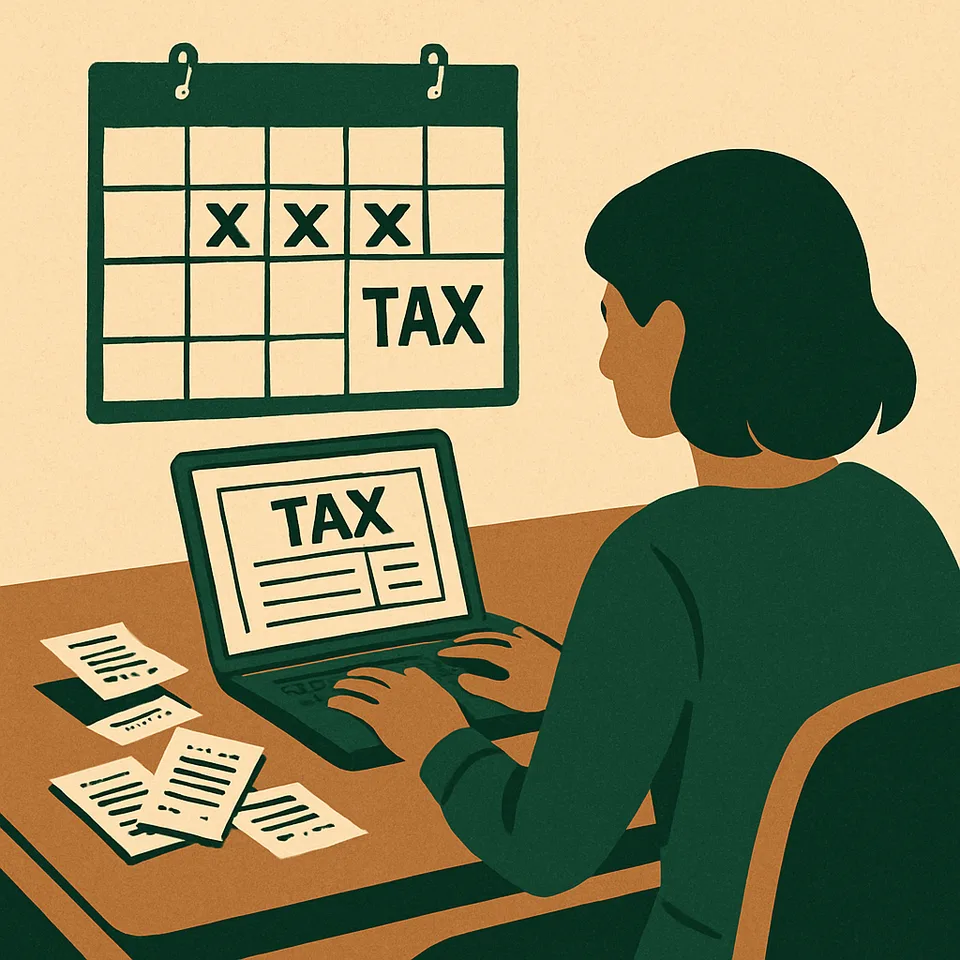
Pro Tip: Set up calendar reminders for each quarterly payment deadline and automate payments through your bank or the IRS systems to avoid missing a due date.
What Tools Can Help Manage Your Side Income Taxes?
Managing taxes for your side income can be daunting, but leveraging the right tools can simplify the process significantly. There are numerous software options available that cater specifically to freelancers and individuals with additional income streams. These tools can help you track your earnings, calculate your estimated taxes, and even remind you when quarterly payments are due. Popular options include QuickBooks Self-Employed, which provides features like mileage tracking, expense categorization, and automatic tax calculations. Similarly, TurboTax offers a platform that guides you through the nuances of filing taxes for side income, ensuring you claim all relevant deductions.
In addition to software, consider using budgeting and financial management apps such as Mint or YNAB (You Need A Budget) to keep your finances organized. These apps allow you to categorize your income and expenses, making it easier to see how much you need to set aside for taxes. By integrating your bank accounts and credit cards, these apps can provide a comprehensive view of your financial health, helping you allocate funds appropriately for tax payments.
For those who prefer a more hands-on approach, spreadsheets can be a powerful tool for managing side income taxes. Creating a spreadsheet to track income, expenses, and tax payments can offer a personalized solution that aligns with your specific needs. This method allows you to customize your tracking system and ensure that you are setting aside the correct amount for taxes each quarter.
- QuickBooks Self-Employed: Offers mileage tracking and expense categorization.
- TurboTax: Guides through filing taxes for side income.
- Mint: Helps categorize income and expenses for better financial overview.
- YNAB: Supports budgeting and fund allocation for tax payments.
- Spreadsheets: Provide a customizable and personalized tracking option.
Budgetmend makes the paycheck-first system automatic
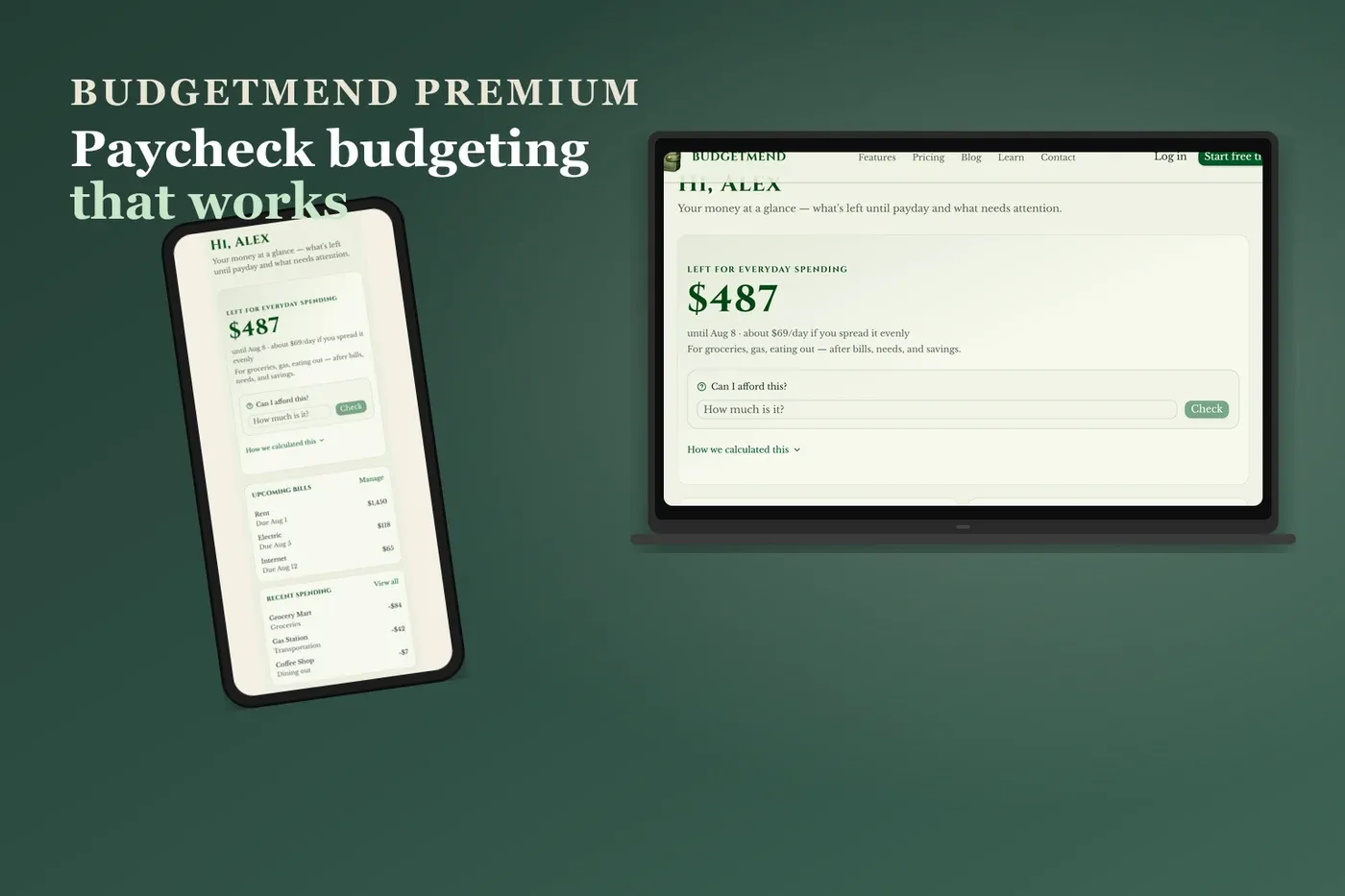
Budgetmend streamlines your financial management by automating the paycheck-first system, ensuring your budgeting process is both efficient and stress-free. With each new paycheck, Budgetmend automatically allocates your income according to your preset priorities, such as bills, savings, and discretionary spending. This automation helps you maintain a clear overview of your finances without the need for constant manual adjustments.
Our system smartly integrates with your paycheck calendar, allowing you to plan ahead with confidence. It matches your income with upcoming bills, ensuring you never miss a payment or end up short on funds. By doing so, Budgetmend provides you with a clear picture of what you have 'safe to spend,' so you can enjoy your earnings without worry.
With Budgetmend, managing your finances becomes a seamless part of your routine. The automated paycheck-first approach not only saves time but also reduces the mental load of budgeting. Explore our features like paycheck calendar synchronization, bill matching, and the 'safe to spend' indicator to make your financial life easier and more predictable.
Sources
The following sources informed the methods, formulas, and recommendations in this article.
- Bankrate: "How to Pay Estimated Taxes on Side Income" - This article provides a comprehensive guide on managing estimated taxes for side income, helping you avoid penalties. https://www.bankrate.com/finance/taxes/how-to-pay-estimated-taxes-on-side-income/
- IRS: "Estimated Taxes" - The IRS offers detailed information on who needs to pay estimated taxes, how to calculate them, and when they are due. https://www.irs.gov/businesses/small-businesses-self-employed/estimated-taxes
- CFPB: "Budgeting for Freelancers and Gig Workers" - The Consumer Financial Protection Bureau provides tips on budgeting for freelancers, including setting aside money for taxes. https://www.consumerfinance.gov/about-us/blog/budgeting-freelancers-and-gig-workers/
- Experian: "How to Manage Taxes on Side Income" - Experian discusses strategies for managing taxes on side income, including setting aside funds for quarterly tax payments. https://www.experian.com/blogs/ask-experian/how-to-manage-taxes-on-side-income/
- Discover: "Understanding Quarterly Tax Payments" - Discover explains the importance of quarterly tax payments for those with side income and how to plan for them. https://www.discover.com/credit-cards/resources/understanding-quarterly-tax-payments/
Frequently asked questions
How much should I set aside for taxes on side income?
A general rule of thumb is to set aside 25-30% of your side income for taxes. This percentage can cover federal income tax, self-employment tax, and any applicable state taxes. To determine a more accurate amount, consider using last year’s tax rate as a guide and adjust based on your current income level and deductions. It's also wise to consult with a tax professional who can provide personalized advice based on your specific situation. Setting aside a consistent percentage each time you receive side income can help ensure you’re prepared when tax time arrives.
What are quarterly tax estimates?
Quarterly tax estimates are payments made four times a year to cover taxes on income not subject to withholding, such as side income or freelance work. These payments help you avoid penalties for underpayment of taxes. The IRS typically expects these payments by April 15, June 15, September 15, and January 15 of the following year. To calculate your quarterly payment, estimate your annual income and tax liability, then divide by four. Using IRS Form 1040-ES can simplify this process. Staying on top of these payments ensures you won't face a large tax bill come April.
How can I manage taxes on freelance income?
Managing taxes on freelance income involves keeping meticulous records of all income and expenses. Use accounting software or a dedicated spreadsheet to track everything. Regularly update your records to avoid last-minute stress. Set aside a portion of each payment you receive for taxes, ideally in a separate savings account. Stay informed about tax deductions available to freelancers, such as home office and equipment expenses. Consider consulting a tax professional to ensure you’re maximizing deductions and meeting all tax obligations. By staying organized and proactive, you can effectively manage your freelance tax responsibilities.
Why is it important to pay estimated taxes on side income?
Paying estimated taxes on side income is crucial to avoid underpayment penalties from the IRS. When you earn income not subject to withholding, like freelance or gig work, the IRS expects you to make quarterly tax payments. Failing to do so can result in interest and penalties. By paying estimated taxes, you ensure that you’re meeting your tax obligations throughout the year, which can prevent a large, unexpected tax bill at year-end. Regular payments also help with budgeting, as you’re spreading your tax liability over the year rather than facing a lump sum in April.
What tools can help with calculating quarterly tax estimates?
Several tools can assist in calculating your quarterly tax estimates. Accounting software like QuickBooks or FreshBooks can track your income and expenses, providing a clear picture of your tax liability. The IRS offers Form 1040-ES, which includes a worksheet to help estimate your taxes. Online calculators are also available, offering a quick way to input your income and deductions to get an estimate. Additionally, consulting with a tax professional can provide personalized guidance. These tools can simplify the process, ensuring you accurately calculate and pay your estimated taxes on time.
Educational disclaimer
This article provides general information and should not be considered financial advice. Consult with a tax professional for personalized guidance.
Budgetmend provides budgeting tools and educational content. We are not a bank, lender, tax advisor, or investment advisor.
Related articles
More practical guides to help you plan around your paycheck.