Bills & Subscriptions
The Bill Calendar Method: Never Miss a Due Date Again
Discover the Bill Calendar Method to align your bill payments with your income schedule, ensuring you never miss a due date.
Introduction to the Bill Calendar Method
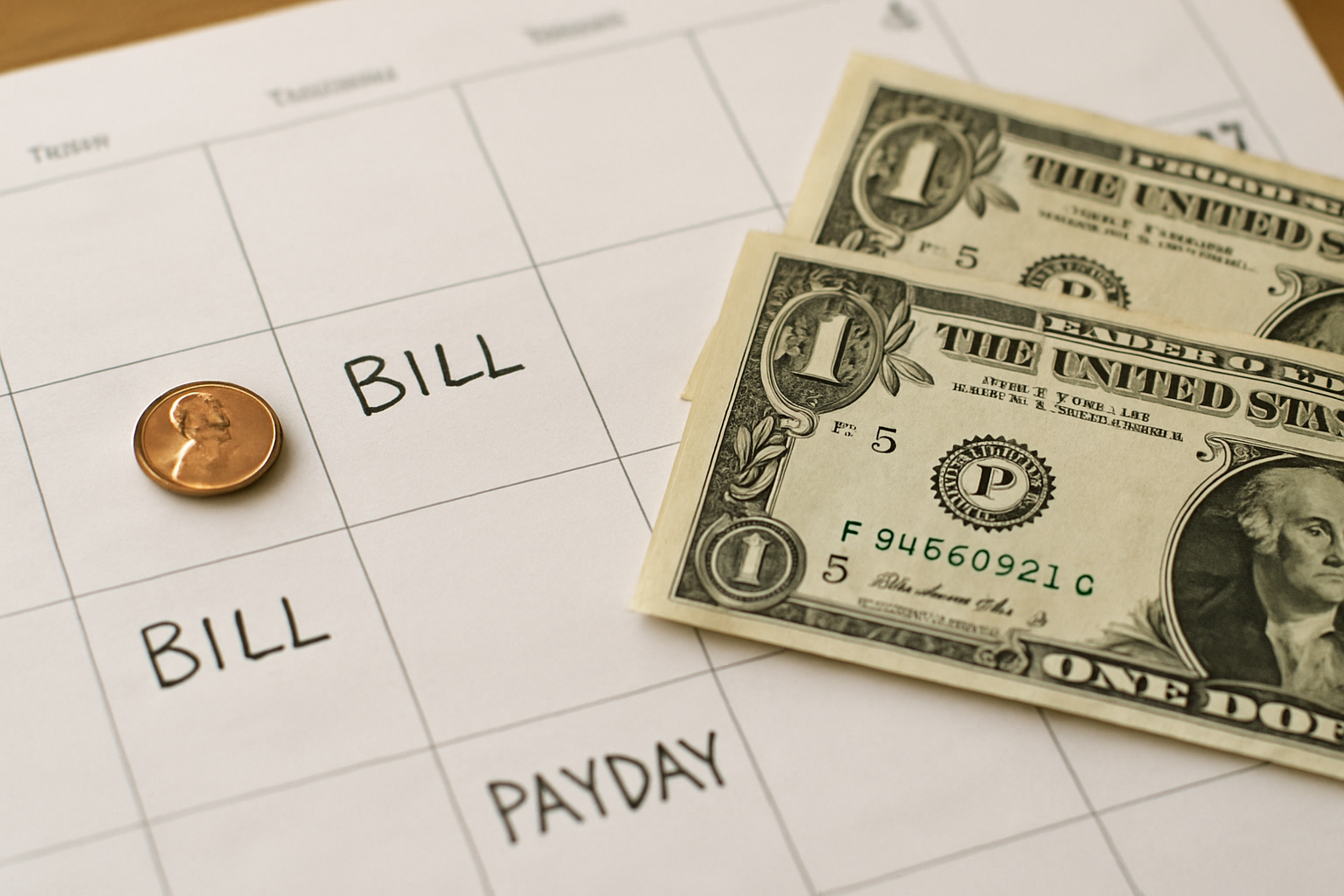
The Bill Calendar Method is a strategic approach to managing your bill payments by aligning them with your income schedule. This method is particularly beneficial for individuals who are paid on a weekly, biweekly, or monthly basis and want to ensure they never miss a due date.
By mapping out your bills on a calendar that corresponds with your pay dates, you can better manage cash flow and avoid late fees. This method not only helps you keep track of your financial obligations but also provides peace of mind knowing that your bills are covered.
Benefits of Using a Bill Calendar
Using a bill calendar offers several advantages that can significantly improve your financial management.
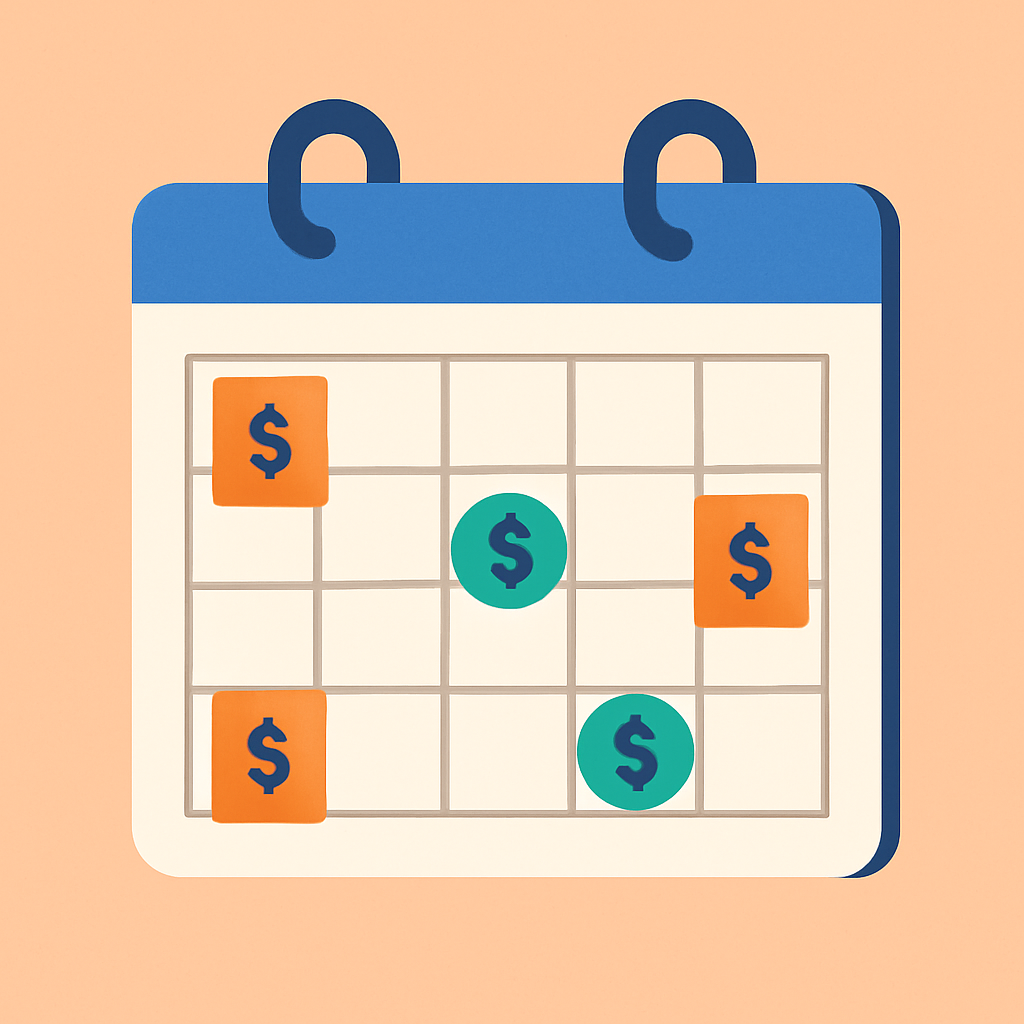
Firstly, it provides a clear visual representation of when your bills are due in relation to your income. This helps prevent overspending and ensures that you have enough funds available when bills are due.
Secondly, it reduces the stress associated with managing multiple due dates. With everything laid out clearly, you can plan ahead and avoid last-minute scrambles to cover unexpected expenses.
Lastly, it can improve your credit score by helping you avoid late payments. Timely bill payments are a critical factor in maintaining a good credit rating.
- Visual clarity of income and expenses
- Reduced financial stress
- Improved credit score
How to Set Up Your Bill Calendar
Setting up a bill calendar is a straightforward process that can be customized to fit your unique financial situation.
Start by gathering all your bill statements, noting down the due dates, amounts, and any other relevant details. Next, list your pay dates for the month.
Choose a calendar format that works best for you. This could be a physical calendar, a digital calendar app, or a spreadsheet. Mark your pay dates and bill due dates, using different colors or symbols to distinguish between them.
Finally, review your calendar regularly, especially when your income or bill amounts change. This ensures that your calendar remains an accurate tool for managing your finances.
Aligning Bills with Paychecks
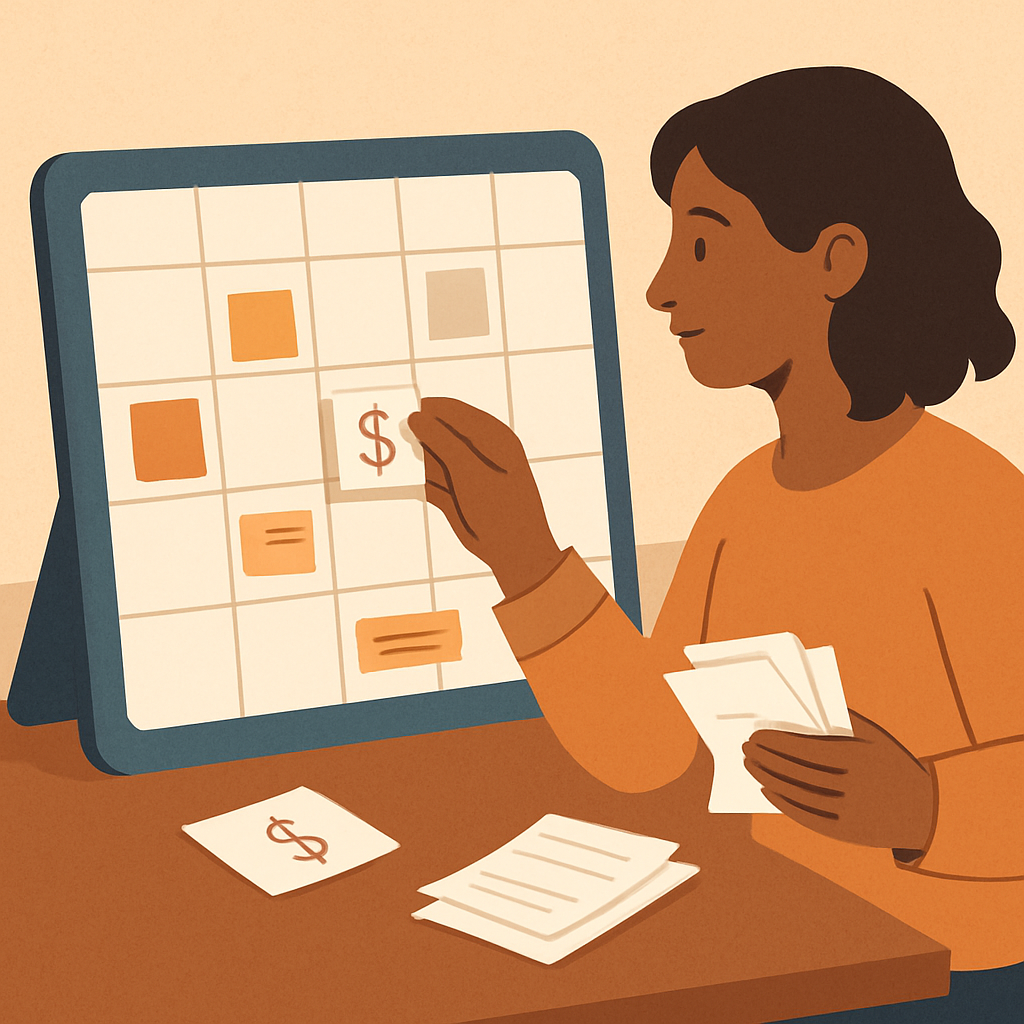
Aligning your bills with your paychecks is a critical component of the Bill Calendar Method. This involves timing your bill payments to coincide with your income deposits, ensuring that you have the necessary funds available.
For weekly or biweekly pay schedules, consider splitting larger bills across multiple pay periods. For example, if your rent is due on the first of the month, you might set aside half of the rent from each paycheck leading up to the due date.
For monthly pay schedules, prioritize bills that are due shortly after your paycheck is deposited. This helps prevent spending your income before your obligations are met.
- Split larger bills across pay periods
- Prioritize payments after income deposits
- Adjust as needed for variable income
Tips for Maintaining Your Bill Calendar
Maintaining your bill calendar requires regular updates and adjustments. Here are some tips to keep it effective:
Set reminders for yourself a few days before each bill is due. This gives you time to ensure funds are available and make any necessary transfers.
Regularly review your calendar for any changes in income or expenses. This is especially important if you have variable income or if your bills fluctuate.
Consider setting up automatic payments for bills that are consistent in amount and due date. This can help streamline your process and reduce the risk of missed payments.
- Set reminders for upcoming bills
- Regularly review and update your calendar
- Use automatic payments where possible
Frequently asked questions
How do I start a bill calendar?
Begin by listing all bills and their due dates, then mark these on a calendar alongside your pay dates.
What if my pay schedule changes?
Update your bill calendar to reflect new pay dates and adjust bill payments accordingly.
Can I use a digital calendar for this method?
Yes, digital calendars are effective for setting reminders and making updates easily.
How does the Bill Calendar Method help with budgeting?
It aligns bill payments with income, helping to manage cash flow and avoid overspending.
Educational disclaimer
This content is for educational purposes only and should not be considered personalized financial advice.
Budgetmend provides budgeting tools and educational content. We are not a bank, lender, tax advisor, or investment advisor.
Related articles
More practical guides to help you plan around your paycheck.