Bills & Subscriptions
The Bill Calendar Method: Never Miss a Due Date Again
Learn how to use the Bill Calendar Method to streamline your bill payments, align them with your pay dates, and avoid late fees.
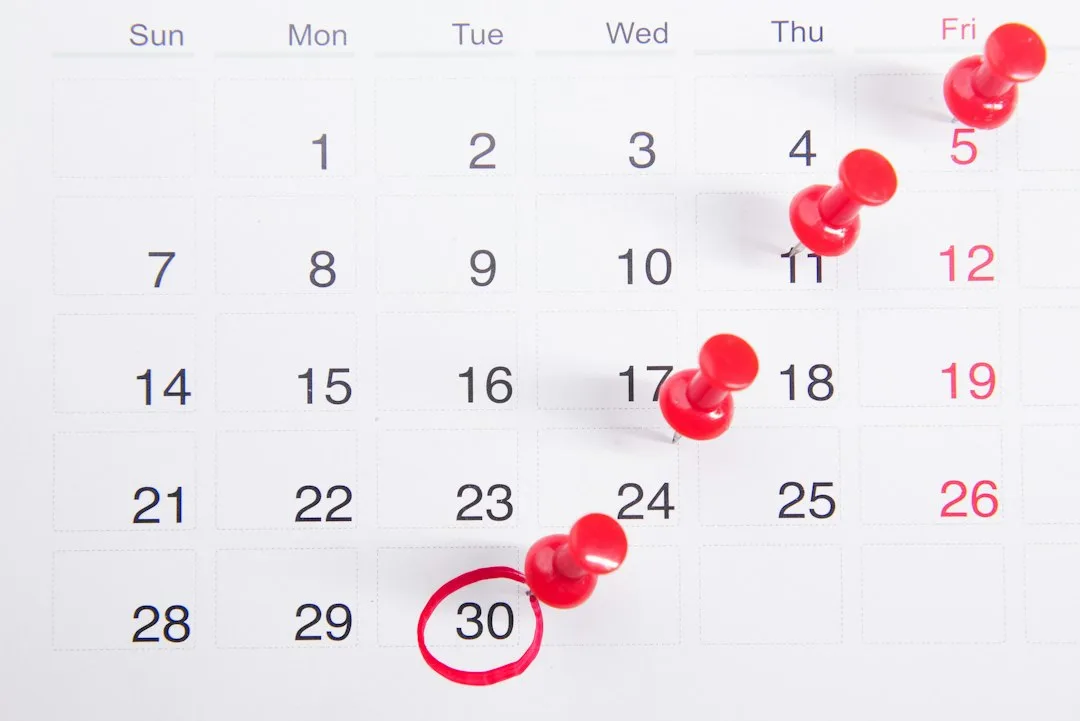
Managing your finances can feel like a juggling act, especially when it comes to keeping track of various bill due dates. According to a recent survey, nearly 25% of Americans have missed a bill payment in the past year, often due to disorganization or simply forgetting. The Bill Calendar Method offers a practical solution by mapping your bills to specific pay dates, ensuring you never miss a payment again. This method not only helps you stay organized but also aligns your cash flow with your obligations, minimizing the stress of unexpected financial surprises. By integrating this system into your financial routine, you can maintain a clear overview of your monthly expenses, avoid late fees, and improve your credit score over time.
- List all your monthly bills and their due dates.
- Identify your pay dates for the upcoming month.
- Match each bill to a specific paycheck, ensuring funds are allocated accordingly.
- Set up automatic payments for bills that align with your mapped calendar.
- Review and adjust your bill calendar each month for any changes or new expenses.
Key Takeaways
The Bill Calendar Method is an effective strategy for managing bills and subscriptions by aligning payment dates with cash flow. This method helps prevent missed payments and financial stress by providing a clear overview of upcoming obligations and ensuring funds are available when needed.
| Point | Details |
|---|---|
| Point | Details |
| Align Payment Dates | Synchronize bill due dates with income receipt dates to ensure funds are available. |
| Prevent Missed Payments | Maintain a calendar to track all payment deadlines and avoid late fees. |
| Manage Cash Flow | Plan expenses around income to maintain a balanced budget. |
| Increase Financial Awareness | Gain a comprehensive view of monthly financial obligations. |
| Reduce Stress | Eliminate the worry of unexpected bills by having a structured payment schedule. |
What is the Bill Calendar Method?
The Bill Calendar Method is a strategic approach to managing your bills and subscriptions by aligning them with your pay dates and cash flow. This method involves creating a calendar that maps out all your financial obligations, ensuring that you never miss a due date. By visually organizing when each bill is due, you can plan ahead and allocate your income more efficiently. The primary goal is to prevent late fees, maintain a healthy credit score, and reduce financial stress by having a clear overview of your financial commitments.
To implement the Bill Calendar Method, start by listing all your recurring bills and their respective due dates. Next, identify your pay dates and map these onto a calendar. This visual representation allows you to see which bills coincide with which pay periods, enabling you to plan your payments accordingly. By doing so, you can ensure that you have sufficient funds available when each bill is due, thus avoiding overdraft fees or missed payments.
The Bill Calendar Method not only aids in timely bill payments but also helps in managing your overall cash flow. By having a clear picture of your financial landscape, you can make informed decisions about discretionary spending and savings. This proactive approach allows for better financial planning and can even help you identify patterns or opportunities to save money.
Pro Tip: Use digital tools or apps to automate reminders for bill due dates. This ensures you stay on top of your payments without manually checking your calendar.

How Do You Map Bills to Pay Dates?
Mapping your bills to pay dates is a strategic approach that can significantly enhance your financial management. The first step in this process is to list all your monthly bills and their respective due dates. This includes everything from rent or mortgage payments to utilities, credit card bills, and any subscriptions. Once you have a comprehensive list, the next step is to identify your pay dates. Whether you receive a paycheck bi-weekly, semi-monthly, or monthly, understanding your income schedule is crucial to effective bill mapping.
After you have both your bill and pay date information, the next step is to align your bills with your pay dates. Start by categorizing your bills based on their due dates relative to your pay schedule. For instance, if you are paid on the 1st and 15th of each month, allocate bills due in the first half of the month to your first paycheck, and bills due in the latter half to your second paycheck. This alignment ensures that you have sufficient funds available when each bill is due, thereby avoiding late fees and maintaining a healthy cash flow.
Finally, create a bill calendar that visually represents this alignment. This can be done using a digital calendar app or a physical planner. Mark your pay dates and corresponding bills, and set reminders a few days before each due date. This visual tool not only aids in tracking your financial obligations but also helps in planning for any unexpected expenses that may arise.
| Task | Action | Purpose |
|---|---|---|
| List Bills | Write down all bills and due dates | Identify financial obligations |
| Identify Pay Dates | Note when income is received | Understand cash inflow |
| Align Bills with Pay Dates | Match bills to corresponding paychecks | Ensure timely payments |
| Create Bill Calendar | Use a digital or physical planner | Visualize payment schedule |
| Set Reminders | Schedule alerts before due dates | Avoid late payments |
What Tools Can Help Manage Your Bill Payments?
Managing your bill payments can be streamlined with the right digital tools, enhancing the effectiveness of the Bill Calendar Method. Dedicated apps like Mint, YNAB (You Need A Budget), and PocketGuard can help you organize your bills by due dates and align them with your income schedule. These apps offer features like automatic reminders, categorization of expenses, and visual dashboards that provide a clear overview of your financial commitments. By syncing your bank accounts, these tools enable real-time updates to your bill calendar, ensuring you never miss a due date.
In addition to budgeting apps, consider utilizing calendar applications such as Google Calendar or Apple Calendar. These platforms allow you to input recurring bill payments, set reminders, and even share your calendar with family members who might need access to the same information. By integrating your bill calendar with your everyday schedule, you can maintain a holistic view of your financial obligations alongside other personal and professional commitments.
- Mint: Offers automatic bill tracking and reminders.
- YNAB: Focuses on proactive budgeting and aligning bills with income.
- PocketGuard: Provides a simple overview of what's left after bills and necessities.
Pro Tip: Regularly review and update your digital bill calendar to reflect any changes in due dates or payment amounts, ensuring it remains an accurate tool for managing your cash flow.
How Does the Bill Calendar Method Prevent Late Fees?
The Bill Calendar Method is a proactive approach to managing your finances that significantly reduces the risk of incurring late fees. By mapping out your bill due dates and aligning them with your income schedule, you ensure that you have the necessary funds available when payments are due. This method not only helps you avoid the stress of last-minute scrambles to pay bills, but also ensures that you maintain a positive relationship with creditors and service providers.
One of the key advantages of the Bill Calendar Method is its ability to provide a clear view of your financial obligations and cash flow. By visualizing your bills and pay dates on a calendar, you can easily identify potential cash flow issues and adjust your spending habits accordingly. This foresight allows you to allocate funds appropriately, ensuring that you always have enough money set aside for bills before considering discretionary spending.
Furthermore, the Bill Calendar Method encourages consistency and discipline in managing your finances. By regularly updating your calendar with new bills or changes in due dates, you cultivate a habit of financial mindfulness. This consistent oversight prevents overlooked payments and the accumulation of late fees, ultimately leading to better financial health and peace of mind.

How Can You Customize Your Financial Calendar?
Customizing your financial calendar using the Bill Calendar Method allows you to align bill payments with your cash flow, ensuring that you never miss a due date. Start by listing all your recurring bills, such as utilities, rent, and subscriptions, along with their respective due dates. Next, consider your income schedule, whether it's weekly, bi-weekly, or monthly, and map out when funds are available to cover these expenses. This alignment helps in preventing any cash flow mismatches.
Once you have your bills and income mapped out, customize your calendar by setting reminders a few days before each bill’s due date. This gives you a buffer to ensure funds are available and to address any potential issues before they become problems. Additionally, consider color-coding your calendar for different types of bills or income sources. For instance, use one color for fixed expenses and another for variable ones, making it visually easier to track and manage.
Finally, incorporate flexibility into your calendar. Life can be unpredictable, so adjust your calendar as needed to accommodate changes in income or unexpected expenses. Regularly reviewing and updating your calendar ensures it remains an effective tool for managing your finances.
Pro Tip: Set up automatic payments for bills that have fixed amounts and due dates to streamline your financial calendar and reduce the risk of late payments.
Budgetmend makes the paycheck-first system automatic
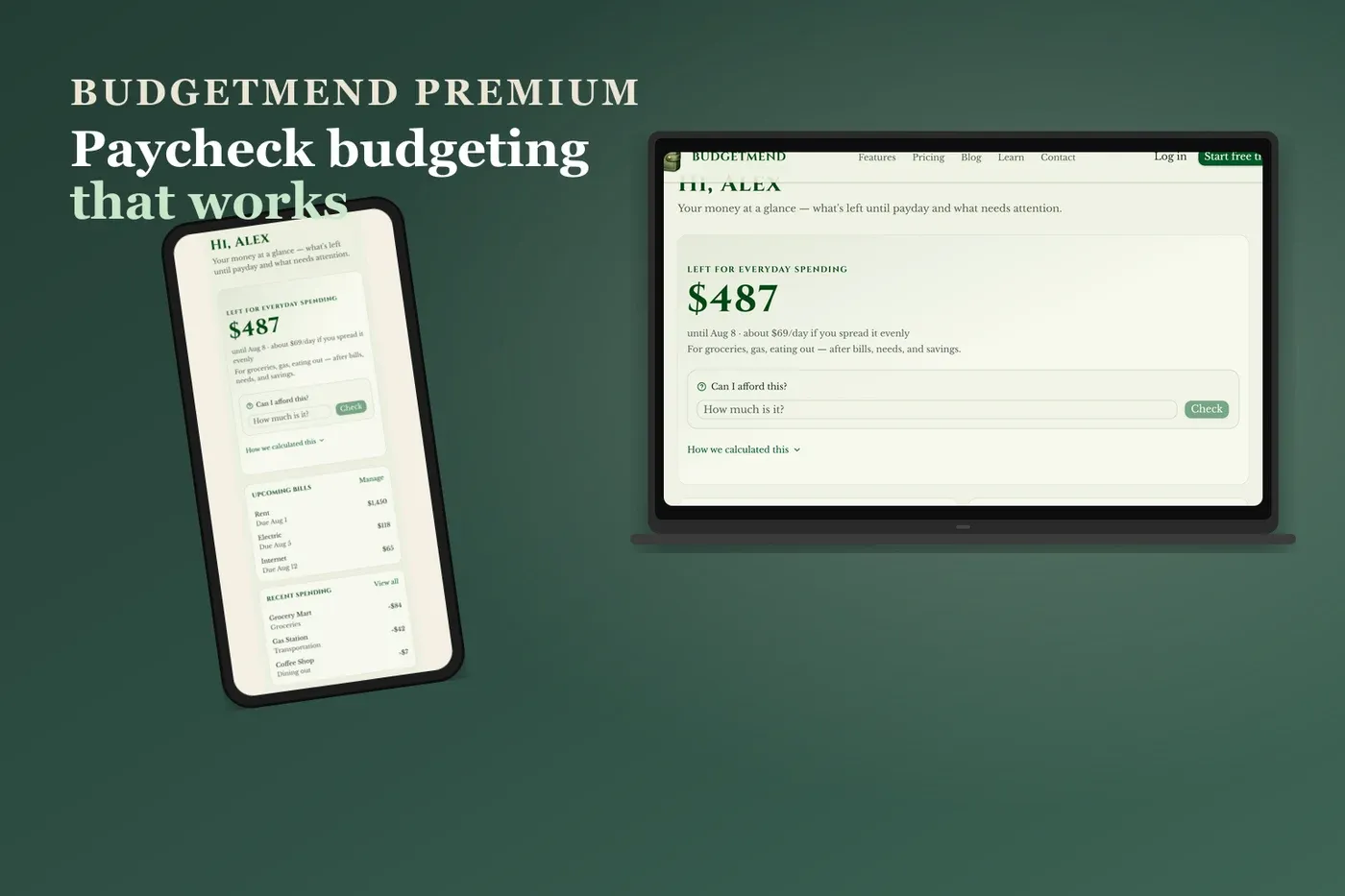
Budgetmend seamlessly integrates the paycheck-first system into your financial routine, ensuring your bills are paid on time and your spending is under control without constant manual intervention. By mapping your bills to your pay dates, Budgetmend automatically allocates funds for each expense, so you never have to worry about juggling due dates or missing payments. This automation not only saves time but also provides peace of mind, allowing you to focus on what truly matters.
The app's intuitive paycheck calendar feature ensures that every bill matches perfectly with your cash flow, eliminating the guesswork of when and how much to pay. Budgetmend calculates the exact amount you can safely spend after all obligations are met, giving you a clear picture of your financial health at a glance. This way, you can enjoy your earnings with confidence, knowing that your financial commitments are already taken care of.
Explore the benefits of aligning your financial schedule with Budgetmend’s paycheck calendar, allowing you to match bills effortlessly and understand your safe to spend balance. Embrace the simplicity of automated budgeting and experience a stress-free approach to managing your finances.
Sources
The following sources informed the methods, formulas, and recommendations in this article.
- Bankrate: Learn how to organize your bills and manage your cash flow effectively with a bill calendar. https://www.bankrate.com/banking/savings/how-to-organize-your-bills/
- CFPB: The Consumer Financial Protection Bureau offers tips on setting up a bill calendar to help you stay on top of your payments. https://www.consumerfinance.gov/about-us/blog/setting-bill-calendar/
- Experian: Discover how mapping your bills to your pay dates can improve your financial management and prevent missed payments. https://www.experian.com/blogs/ask-experian/how-to-schedule-bill-payments/
- FDIC: The Federal Deposit Insurance Corporation provides guidance on using a bill calendar to align your bills with your cash flow. https://www.fdic.gov/resources/consumers/money-smart/financial-education.html
- Discover: Explore strategies for using a bill calendar to manage your monthly expenses and avoid late fees. https://www.discover.com/credit-cards/resources/financial-education/organize-bills/
Frequently asked questions
What is the Bill Calendar Method?
The Bill Calendar Method is a strategic approach to managing your bills and subscriptions by aligning them with your income schedule. It involves mapping out all your due dates on a calendar and coordinating them with your pay dates to ensure you have the necessary funds available when bills are due. This method helps in organizing your finances, avoiding missed payments, and reducing stress by providing a clear visual of your financial obligations. By using this method, you can effectively manage your cash flow and ensure that you never miss a due date again.
How can I align my bills with my pay dates?
To align your bills with your pay dates, start by listing all your bills and their due dates. Next, note your pay dates on a calendar. Group bills around your pay periods, ensuring that each set of bills is covered by the paycheck closest to their due date. If possible, contact service providers to adjust due dates to better fit your pay schedule. This alignment helps in maintaining a smooth cash flow, ensuring that funds are available when needed, and reducing the risk of overdrafts or late fees.
What tools can help manage bill payments?
Several tools can assist in managing bill payments effectively. Digital calendars, like Google Calendar, can be used to set reminders for upcoming due dates. Budgeting apps such as Mint or YNAB offer features to track expenses and set up alerts for bill payments. Additionally, many banks provide online bill pay services that allow you to schedule payments directly from your account. These tools help automate the process, reduce the likelihood of missed payments, and provide a comprehensive view of your financial obligations, making it easier to manage your cash flow.
How does the Bill Calendar Method prevent late fees?
The Bill Calendar Method prevents late fees by ensuring that you are always aware of when your bills are due and have the funds available to pay them on time. By mapping out your bills on a calendar and aligning them with your pay dates, you create a clear and organized schedule that helps avoid any surprises. This proactive approach allows you to plan ahead, make timely payments, and avoid the costly penalties associated with late fees. Additionally, setting up reminders or automatic payments further reduces the risk of forgetting a due date.
Can I use digital tools for the Bill Calendar Method?
Yes, digital tools are highly effective for implementing the Bill Calendar Method. Tools like Google Calendar or Microsoft Outlook can be used to set reminders for bill due dates. Budgeting apps such as Mint or PocketGuard help track expenses and alert you to upcoming payments. Many banks offer online services to schedule automatic payments, ensuring bills are paid on time. These digital solutions provide convenience, reduce the risk of missed payments, and offer a streamlined way to manage your financial obligations, making the Bill Calendar Method easier and more efficient to maintain.
Educational disclaimer
This article provides general financial advice and may not be suitable for everyone. Please consult a financial advisor for personalized guidance.
Budgetmend provides budgeting tools and educational content. We are not a bank, lender, tax advisor, or investment advisor.
Related articles
More practical guides to help you plan around your paycheck.