
How to stop overdrafting
Use safe-to-spend daily limits and bill timing to keep your checking balance ahead of surprises.
The moment
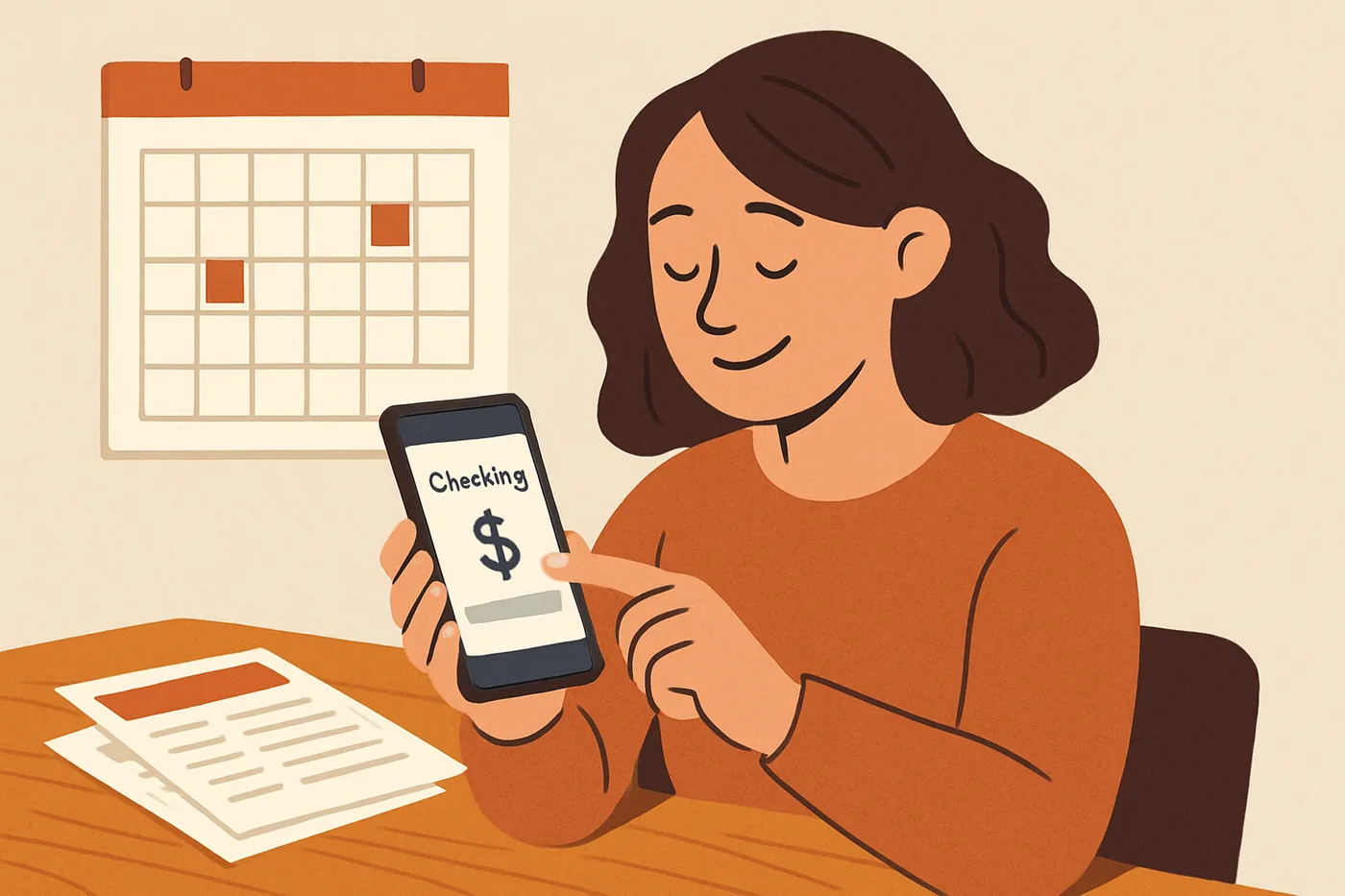
Tuesday morning: $340 in checking. Thursday: rent auto-pays — $1,150. Saturday: groceries, gas, and a dinner out. By Monday, Andre's account was negative and the bank charged a $35 overdraft fee for a $12 purchase.
He earned enough. The problem was timing — everyday spending competed with rent in the same few days. Safe-to-spend would have shown him that $340 wasn't really $340.
~$35
Typical bank overdraft fee (U.S.)
Source: Consumer Financial Protection Bureau
Overdrafts are usually a timing problem
Overdraft fees often happen when bills and everyday spending compete for the same dollars in the same week — not because you never earn enough. The CFPB has finalized rules to curb surprise overdraft charges, but prevention still starts with knowing what is safe to spend today.
Safe-to-spend breaks remaining money into a daily guide so you do not accidentally spend money already promised to rent or utilities.
Build a no-overdraft routine
If your bank offers low-balance alerts, set them above your largest upcoming automatic payment so you get warned early.
- List bills due in the next seven days before discretionary spending.
- Subtract those bills and planned savings from your current checking balance.
- Divide what remains by days until payday — that is your daily guide.
- Turn off overdraft coverage for debit if your bank lets you opt out and you want hard stops instead of fees.
Example: safe daily spend
Andre has $280 left for 7 days after bills and savings transfers. His safe daily spend is about $40. A $65 dinner does not just cost $65 — it borrows from a future day where he may still need gas or groceries.
Paid biweekly with $1,900 per check? After $1,150 rent and $200 in other bills, $550 remains for 14 days — about $39 per day. That number is easier to follow than a single big balance on the screen.
Ready to try it with your numbers?
Set up dashboard in Budgetmend
Create a free account to apply what you just read — assign your next paycheck, track safe-to-spend, and keep going.
Create free accountCommon mistakes
- Checking your balance without subtracting upcoming auto-payments — the number looks bigger than it is.
- Relying on overdraft protection as a backup plan instead of a last resort.
- Waiting until the account is negative to adjust spending instead of using a daily limit all week.
Your action step
Check your Dashboard safe-to-spend card before unplanned purchases this week. If it is negative, move money from a flexible category or delay a non-essential purchase until after payday.
Up next
Paycheck budgeting vs. monthly budgeting
Budgetmend plans around pay periods — whether you get paid weekly, biweekly, or once a month. Here's why that matters and how monthly pay fits in.
Read next lessonKeep learning
Sources & further reading
These lessons cite official U.S. government and federal research sources. Always verify current guidance on the publisher's site.
Put this lesson into practice
Create a free Budgetmend account to assign dollars paycheck by paycheck, track safe-to-spend, and open Dashboard with your real numbers.