Savings
Building an Emergency Fund on an Irregular Paycheck
Discover practical strategies to build an emergency fund even with irregular income. Learn how to budget effectively and automate savings.

Understanding the Importance of an Emergency Fund
An emergency fund is a financial safety net designed to cover unexpected expenses such as medical emergencies, car repairs, or sudden job loss. Having an emergency fund can prevent you from relying on credit cards or loans, which can lead to debt.
For those with irregular income, such as freelancers or gig workers, an emergency fund is crucial. It provides a buffer during lean periods when income might be lower than expected.
Setting Realistic Starter Amounts
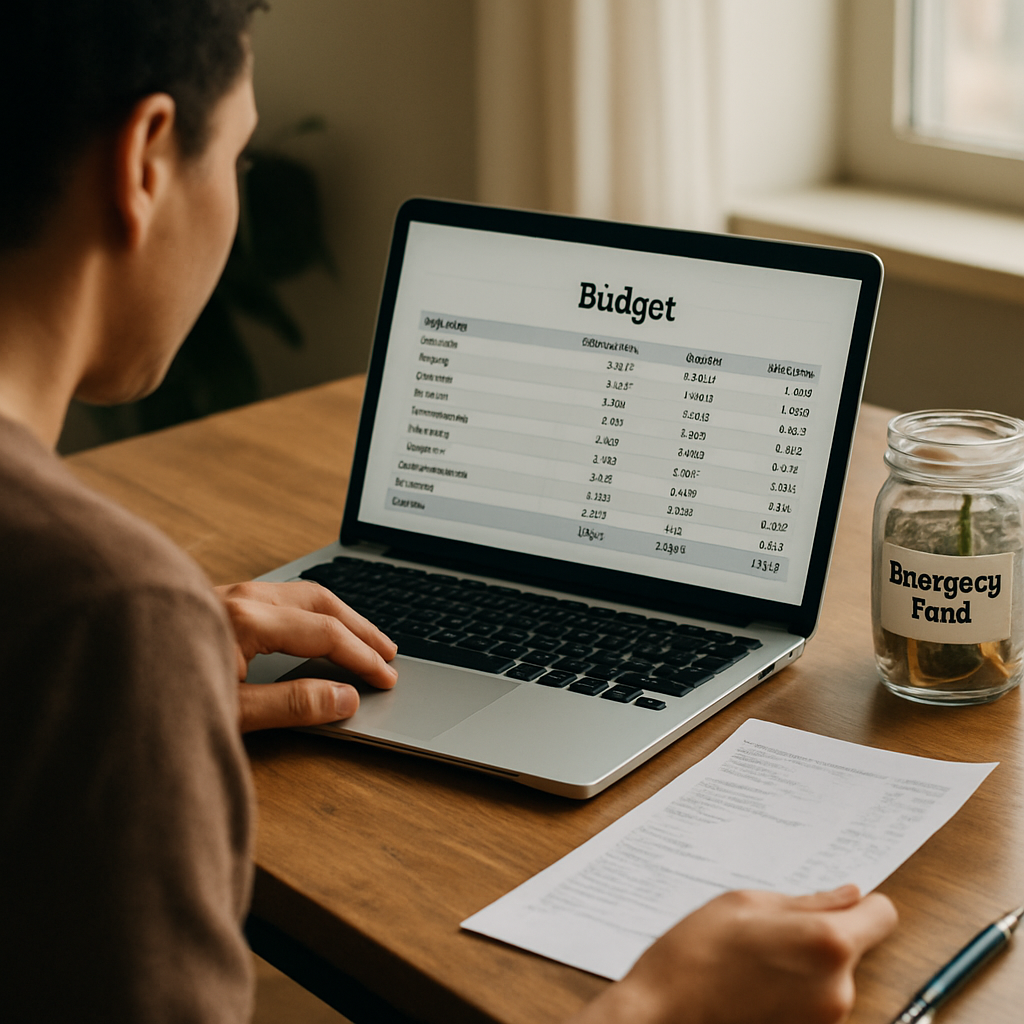
When starting an emergency fund, it's important to set realistic goals. A common recommendation is to aim for three to six months' worth of expenses. However, if your income is irregular, you might want to start with a smaller, more achievable goal.
Begin by calculating your essential monthly expenses, including rent, utilities, groceries, and minimum debt payments. Aiming to save one month's worth of these expenses is a practical starting point.
Once you reach your initial goal, gradually increase your target. This incremental approach makes the task less daunting and more manageable.
Budgeting with an Irregular Paycheck
Budgeting on an irregular income can be challenging, but it's not impossible. Start by identifying your average monthly income over the past six months. Use this figure as a baseline for your budget.
Next, categorize your expenses into fixed and variable categories. Fixed expenses remain the same each month, while variable expenses can fluctuate. Prioritize covering your fixed expenses first.
Consider using the 'pay yourself first' method, where you allocate a portion of each paycheck to savings before addressing other expenses. This ensures that your emergency fund grows consistently.
- Track your income and expenses regularly.
- Adjust your budget monthly to reflect income changes.
- Use budgeting apps to track and manage finances.
Automating Your Savings
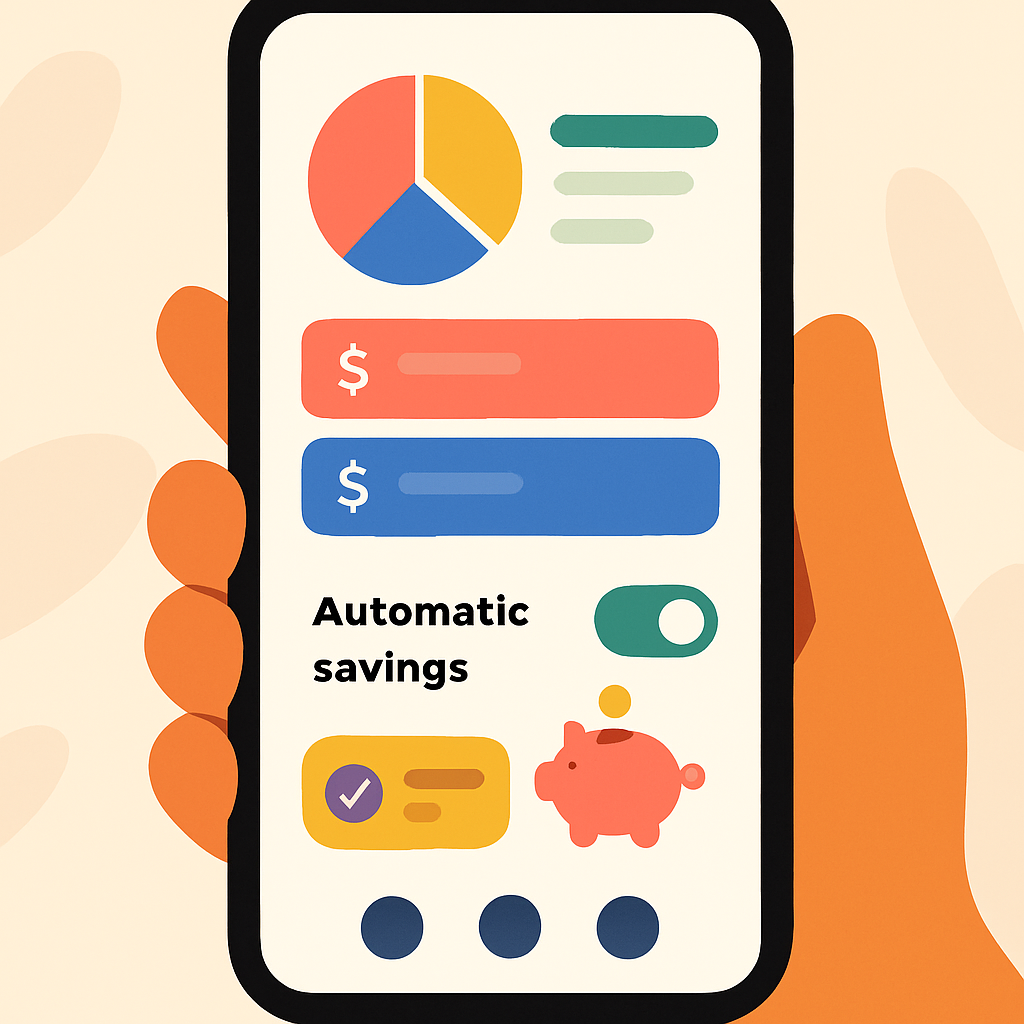
Automation can simplify the process of building an emergency fund. By setting up automatic transfers from your checking account to a savings account, you can ensure that a portion of your income is saved regularly.
If your income varies greatly, consider setting a percentage of each paycheck to be transferred. This way, your savings grow proportionally with your income.
Many banks and budgeting apps offer automation features that can help you stay on track. Regularly review and adjust these settings to align with your financial situation.
Overcoming Challenges
Building an emergency fund with an irregular paycheck can present challenges such as fluctuating income and unexpected expenses. To overcome these, remain flexible and adaptable in your budgeting.
During high-income months, increase your savings contributions. Conversely, during low-income periods, focus on maintaining your essential expenses.
Regularly reassess your financial situation and adjust your goals as needed. Patience and persistence are key to successfully building an emergency fund.
- Stay disciplined with spending habits.
- Seek additional income sources during lean periods.
- Celebrate small savings milestones to stay motivated.
Frequently asked questions
How much should I save in an emergency fund if my income is irregular?
Start with one month's worth of essential expenses and gradually increase to three to six months as your situation allows.
What is the 'pay yourself first' method?
It's a budgeting strategy where you allocate a portion of your income to savings before paying other expenses.
How can I automate my savings with an irregular paycheck?
Set up automatic transfers of a fixed percentage of each paycheck to your savings account to ensure consistent growth.
What should I do during months with lower income?
Focus on covering essential expenses and reduce variable spending. Adjust your savings contributions temporarily if needed.
Can budgeting apps help with irregular income?
Yes, budgeting apps can track income and expenses, helping you manage your finances and automate savings effectively.
Educational disclaimer
This content is for educational purposes only and should not be considered personalized financial advice. Please consult a financial professional for advice tailored to your individual circumstances.
Budgetmend provides budgeting tools and educational content. We are not a bank, lender, tax advisor, or investment advisor.
Related articles
More practical guides to help you plan around your paycheck.