Smart Spending
How to Compare Grocery Prices Without Losing Your Mind
Discover strategies for comparing grocery prices effectively and saving money on your weekly budget without stress.
Introduction to Smart Grocery Shopping
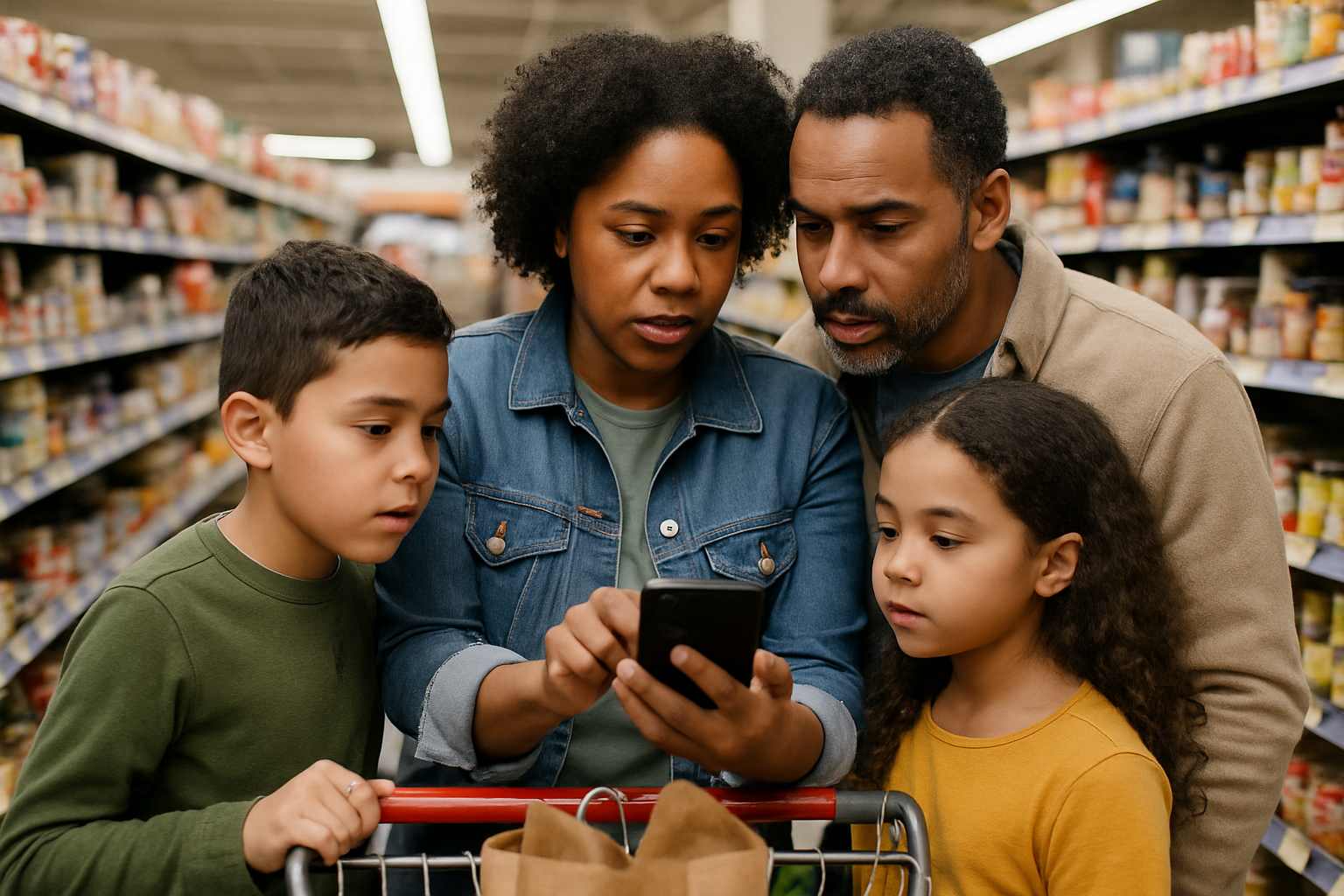
Grocery shopping is a significant part of any household budget, especially for families. With fluctuating prices and numerous choices, it can be overwhelming to keep expenses in check. However, by adopting some practical strategies, you can compare grocery prices effectively without getting overwhelmed. This article will guide you through efficient methods to make smarter shopping decisions, ensuring your paycheck stretches further.

Understanding Your Budget
Before you start comparing prices, it's crucial to understand your budget. Knowing how much you can allocate to groceries each week or month helps set realistic spending limits. For those on a weekly or biweekly paycheck, dividing your grocery budget accordingly ensures you don't overspend before your next paycheck.
Consider using a budgeting app like Budgetmend to track your expenses. This can help you visualize your spending patterns and adjust your grocery budget as necessary.
- Calculate your monthly income and necessary expenses.
- Set a realistic grocery budget based on your income frequency.
- Use budgeting tools to track and adjust your spending.
Receipt Habits for Better Tracking
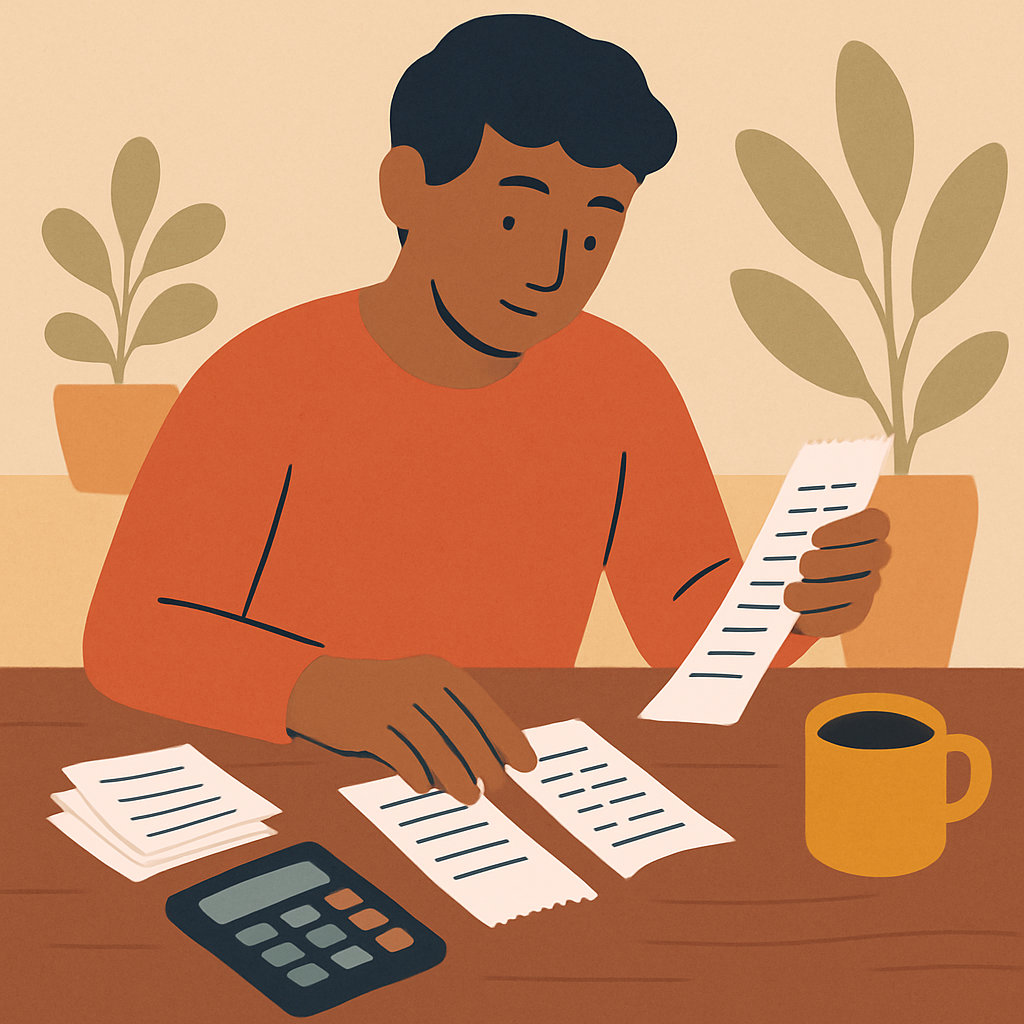
Keeping track of your grocery receipts is a simple yet effective way to monitor your spending. By reviewing your receipts regularly, you can identify where you might be overspending and make necessary adjustments.
Consider organizing your receipts by store or category. This can help you spot trends, such as which stores offer the best prices for specific items.
- Save and organize your grocery receipts.
- Review receipts weekly to identify spending patterns.
- Use receipt data to adjust your grocery list and budget.
Store Comparison Strategies
Comparing prices between different stores can significantly reduce your grocery expenses. However, it's essential to do this efficiently to avoid unnecessary stress.
Start by identifying the stores you frequently shop at and note the prices of commonly purchased items. Many stores offer price-matching guarantees, so take advantage of these whenever possible.
Use digital tools and apps to compare prices. Many grocery stores have apps that allow you to check prices and promotions before you shop.
- Identify your most visited stores and compare prices.
- Look for price-matching policies and use them.
- Utilize store apps for real-time price comparisons.
Meal Planning and List Making
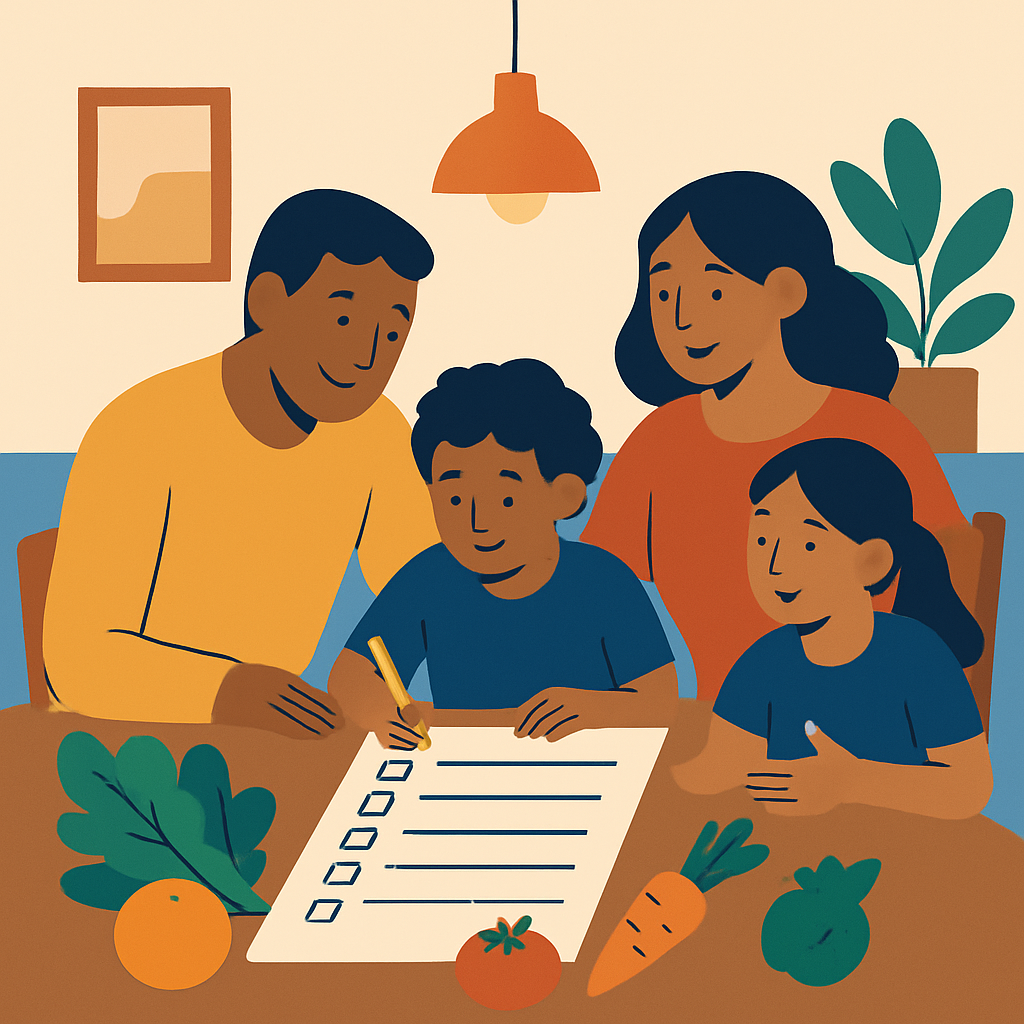
Meal planning is a powerful tool for keeping your grocery spending under control. By planning your meals for the week, you can create a focused shopping list that helps avoid impulse buys.
Stick to your list when shopping. This discipline ensures you only purchase what you need, reducing waste and unnecessary spending.
- Plan your meals based on your budget and store promotions.
- Create a shopping list based on your meal plan.
- Avoid impulse purchases by sticking to your list.
Making the Most of Sales and Coupons
Sales and coupons can be a great way to save money if used wisely. Keep an eye on weekly flyers and digital coupon platforms to find deals that align with your shopping needs.
Be cautious not to buy items just because they are on sale. Ensure they fit within your meal plan and budget.
- Check weekly flyers for sales that match your grocery list.
- Use digital coupon platforms for additional savings.
- Avoid buying unnecessary items just because they're discounted.
Frequently asked questions
How can I keep track of grocery prices effectively?
Organize your receipts, use store apps for price comparisons, and regularly review your spending to track grocery prices effectively.
What are the benefits of meal planning?
Meal planning helps you stick to your budget, reduces impulse purchases, and minimizes food waste by allowing you to shop with a purpose.
How can budgeting apps help with grocery shopping?
Budgeting apps help track your spending, set realistic grocery budgets, and adjust them as needed based on your income frequency.
Are store brand products worth considering?
Yes, store brand products often offer comparable quality at a lower price, helping you save money on groceries.
Educational disclaimer
This content is for educational purposes only and should not be considered personalized financial advice. Please consult a financial advisor for advice tailored to your personal circumstances.
Budgetmend provides budgeting tools and educational content. We are not a bank, lender, tax advisor, or investment advisor.
Related articles
More practical guides to help you plan around your paycheck.