Transportation
Fitting Car Payments Into Your Paycheck Budget Without Stretching
Discover how to manage car payments within your paycheck budget without feeling financially stretched. Learn practical strategies for affordable vehicle ownership.
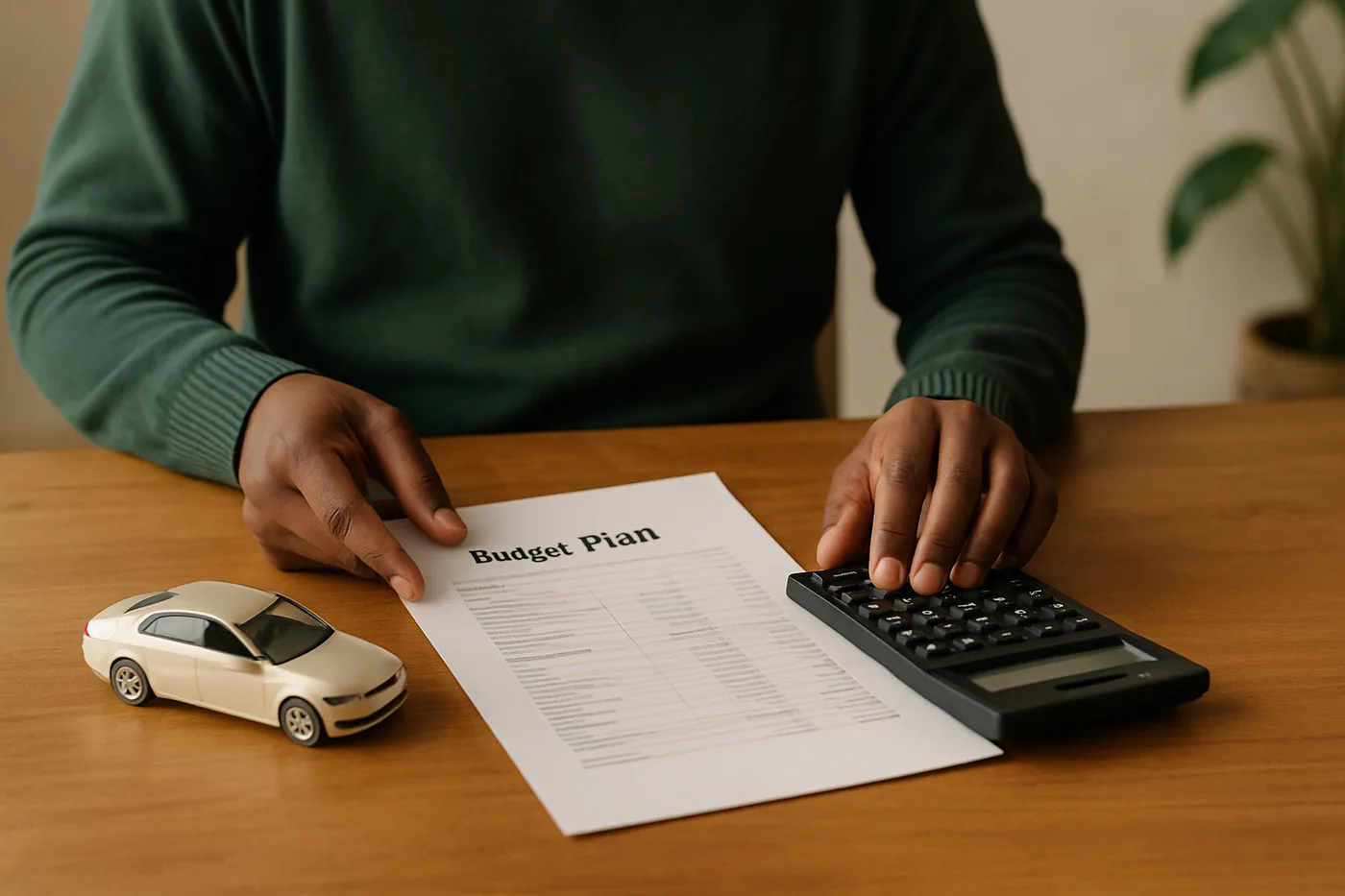
Balancing a car payment within your paycheck budget can feel like walking a tightrope, but with the right strategies, it is possible to manage effectively without stretching your finances too thin. According to a 2023 report by Experian, the average monthly car payment in the United States is approximately $700 for new vehicles and $525 for used ones. These figures highlight the importance of understanding the total cost of ownership, which goes beyond the sticker price to include insurance, maintenance, and fuel. By framing your car payment within the larger context of your financial landscape, you can make informed decisions that align with your long-term goals.
- Calculate the total cost of ownership, including insurance, maintenance, and fuel expenses.
- Assess your current financial commitments to determine how much you can realistically allocate to car payments.
- Prioritize your spending categories to identify areas where you can reduce expenses.
- Consider the trade-offs of choosing a less expensive vehicle to free up budget space for other priorities.
- Review your monthly budget regularly to ensure car payments remain manageable as your financial situation evolves.
Key Takeaways
Managing car payments within your paycheck budget involves understanding the total cost of ownership and making informed trade-offs. By considering factors such as insurance, maintenance, and fuel, alongside the car payment itself, you can ensure that your vehicle expenses do not strain your finances. Strategic planning and prioritizing essential costs can help maintain financial stability.
| Point | Details |
|---|---|
| Point | Details |
| Understand Total Cost | Consider all expenses including insurance, maintenance, and fuel, not just the car payment. |
| Budget Planning | Allocate a specific portion of your paycheck for car-related expenses to avoid financial strain. |
| Prioritize Essentials | Focus on necessary costs and cut down on non-essential expenses to fit car payments into your budget. |
| Evaluate Trade-offs | Weigh the benefits of car ownership against other financial responsibilities to make informed decisions. |
| Financial Stability | Ensure that car expenses do not compromise your overall financial health by planning strategically. |
What is the Total Cost of Car Ownership?
When considering how to fit car payments into your paycheck budget, it's crucial to understand the total cost of car ownership, which extends far beyond the monthly payment. The total cost encompasses various components, each contributing to your overall financial commitment. Besides the principal and interest of your car loan, you need to account for insurance premiums, which can vary based on your driving history, the car's make and model, and even your location. Regular maintenance and unexpected repairs are also part of the equation, as they ensure your vehicle remains in good working condition and retains its value over time.
Fuel expenses are another significant factor, influenced by your car's fuel efficiency and your driving habits. If you opt for a vehicle with lower gas mileage, you may find your fuel costs eating into your budget more than anticipated. Additionally, consider registration fees, taxes, and any potential parking costs, especially if you live in urban areas where parking comes at a premium. By understanding and planning for these costs, you can make a more informed decision about what you can truly afford beyond the enticing allure of a low monthly payment.
Moreover, depreciation, the decrease in your car's value over time, is an often-overlooked aspect of car ownership. While it doesn't directly impact your monthly budget, it affects the vehicle's resale value and the equity you build. Being aware of how different vehicles depreciate can help you make smarter choices that align with your financial goals.
Pro Tip: To better manage your car payments budget, create a detailed spreadsheet that includes all ownership costs. This will help you visualize the long-term financial impact and avoid unexpected expenses.
How Can You Calculate an Affordable Car Payment?
Determining an affordable car payment begins with a clear understanding of your monthly income and expenses. Start by calculating your total monthly income after taxes, then list all your essential expenses such as rent, utilities, groceries, and existing debts. Subtract these expenses from your income to determine your disposable income. Financial experts generally recommend that car payments should not exceed 15% of your monthly take-home pay. This guideline ensures that your car payment fits comfortably within your paycheck budget without causing financial strain.
Once you have a figure in mind, consider the total cost of car ownership, which includes insurance, maintenance, fuel, and unexpected repairs. These additional costs can significantly impact your budget, so it's crucial to factor them in when determining what you can afford. By understanding the full scope of car expenses, you can make more informed decisions and avoid overextending your finances.
To aid in this process, consider the trade-offs between different vehicle types and financing options. Opting for a used car or a longer loan term might reduce your monthly payments, but could increase overall costs due to higher interest rates or maintenance needs. Balancing these factors against your budget will help you choose a car payment plan that aligns with your financial goals.
| Income Bracket | Recommended Max Car Payment | Example Monthly Income | Example Max Car Payment |
|---|---|---|---|
| Low Income | 10% of Income | $2,000 | $200 |
| Middle Income | 15% of Income | $4,000 | $600 |
| High Income | 20% of Income | $6,000 | $1,200 |
How Do You Budget for Car Expenses?
Successfully budgeting for car expenses involves more than just setting aside money for monthly payments. It's essential to consider the full scope of car-related costs, such as maintenance, insurance, and unexpected repairs. Start by assessing your monthly income and determining a realistic percentage that can be allocated towards all car expenses. A common guideline is to keep total vehicle costs, including payments, insurance, and maintenance, within 10-15% of your take-home pay. This ensures that your car expenses remain manageable and do not interfere with other financial obligations.
To allocate funds effectively, create a detailed budget that includes all foreseeable expenses. Begin with the fixed costs, like your monthly car payment and insurance premiums. Then, estimate variable expenses such as fuel, routine maintenance, and savings for unexpected repairs. By regularly reviewing and adjusting your budget, you can accommodate any changes in your financial situation or car-related costs. Additionally, consider setting up an emergency fund specifically for car repairs to avoid financial strain when unexpected issues arise.
Insurance is another critical component of car expenses. Shop around for the best rates and coverage options. Bundling insurance policies or maintaining a good driving record can also help reduce premiums. Remember, the cheapest policy isn't always the best; ensure it provides adequate coverage for your needs.
Pro Tip: Set up automatic transfers to a dedicated savings account for car expenses to ensure you're consistently saving for maintenance and emergencies.

What Strategies Can Reduce Your Car Payments?
Reducing your car payments can significantly alleviate financial stress and make it easier to fit these expenses into your paycheck budget. One effective strategy is to refinance your car loan. By securing a lower interest rate, you can reduce your monthly payments and potentially save thousands over the life of the loan. It's important to shop around and compare offers from different lenders to find the best rate available. Additionally, extending the loan term can also decrease monthly payments, though it may increase the total interest paid over time.
Another approach is to make a larger down payment when purchasing the vehicle. This reduces the principal amount borrowed, leading to lower monthly payments. If you’re already locked into a loan, consider making extra payments whenever possible. Even small additional payments can help reduce the principal faster, resulting in lower interest charges and a shorter loan term.
Trade-offs are also crucial when considering ways to reduce car payments. Opting for a less expensive or used vehicle can significantly decrease the amount you need to finance. Moreover, evaluating your needs versus wants in a vehicle can help you make a more economical choice. Features such as high-end technology packages or luxury trims, while enticing, can substantially increase the cost. Prioritizing essential features can help you stay within budget and maintain financial stability.
What Trade-offs Should You Consider in Car Buying?
When buying a car, it's crucial to consider the trade-offs that come with your decision to ensure it fits comfortably within your paycheck budget. One of the primary trade-offs involves choosing between a new or used vehicle. While new cars come with the latest features and warranties, they depreciate faster and often come with higher price tags. Used cars, on the other hand, may require more maintenance but generally have lower initial costs and depreciation rates. Weighing these factors is essential to finding a balance that aligns with your financial goals.
Another significant trade-off is between car features and affordability. Luxurious features like leather seats, advanced infotainment systems, and enhanced safety packages can significantly increase the cost of a vehicle. Prioritize features that are essential for your needs and consider which ones you can forgo to avoid stretching your budget. Additionally, think about fuel efficiency versus performance. A car with better fuel economy might save you money in the long run, even if it means sacrificing some horsepower.
Finally, consider the length of your loan term. While longer loan terms can lower your monthly payments, they often result in higher overall costs due to accumulated interest. Opting for a shorter loan term may require higher monthly payments but can save you money in the long run. Carefully assess these trade-offs to make a well-informed car buying decision that doesn't strain your paycheck.
Pro Tip: Before making a purchase, list out your must-have features and those you can live without. This will help you focus on what truly matters and avoid unnecessary expenses that could stretch your budget.
Budgetmend makes the paycheck-first system automatic
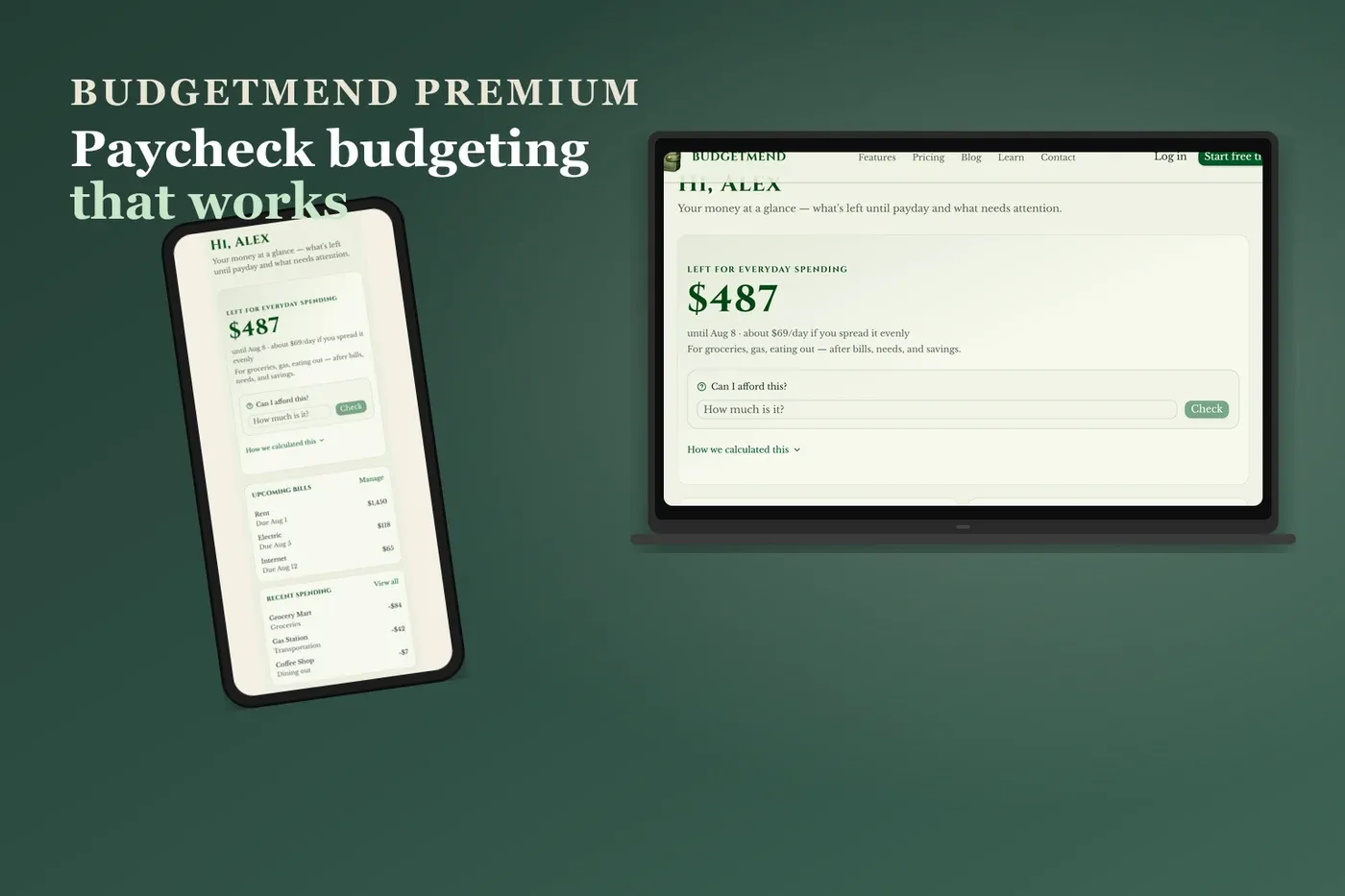
Budgetmend transforms the paycheck-first budgeting system into a seamless, automated experience. By syncing directly with your payroll schedule, Budgetmend ensures that your car payments are prioritized without the hassle of manual tracking. Once your paycheck is deposited, Budgetmend automatically allocates funds for your car payments, making sure they fit comfortably within your budget. This helps you avoid the common pitfall of overspending and ensures that your essential expenses are always covered first.
One of the standout features is the paycheck calendar, which aligns your income with your financial obligations. This calendar helps you visualize when each payment will be made, allowing for better planning and reduced stress. Budgetmend also offers bill matching, which links your due dates with your pay periods, ensuring timely payments and avoiding late fees. Additionally, the 'safe to spend' feature provides you with a clear picture of your discretionary funds, so you can make informed spending decisions without jeopardizing your car payment budget.
Experience the ease of managing your car payments within your budget with Budgetmend, and enjoy the peace of mind that comes from knowing your finances are in order. Explore the paycheck calendar, bill matching, and safe to spend features today to keep your car payments on track effortlessly.
Sources
The following sources informed the methods, formulas, and recommendations in this article.
- Bankrate: 'How to Budget for a Car Payment' - This article provides insights on calculating car payments and integrating them into your budget effectively. https://www.bankrate.com/loans/auto-loans/how-to-budget-for-a-car-payment/
- Experian: 'How Much Should My Car Payment Be?' - Experian discusses the factors to consider when determining an affordable car payment. https://www.experian.com/blogs/ask-experian/how-much-should-my-car-payment-be/
- Consumer Financial Protection Bureau (CFPB): 'Owning a Car' - The CFPB offers guidance on understanding the total cost of car ownership, including maintenance and insurance. https://www.consumerfinance.gov/consumer-tools/auto-loans/owning-a-car/
- FDIC: 'Buying a Car: How to Finance and Budget' - This FDIC resource explains the financial aspects of buying a car and how to budget for it. https://www.fdic.gov/resources/consumers/consumer-news/2020-06.html
- Discover: 'How to Budget for a New Car' - Discover provides tips on budgeting for a new car purchase, including evaluating your financial situation and setting realistic goals. https://www.discover.com/credit-cards/resources/how-to-budget-for-a-new-car/
Frequently asked questions
How much of my paycheck should go to car payments?
A general rule of thumb is to allocate no more than 15% of your monthly take-home pay to car payments. This percentage helps ensure that your car expenses do not overburden your budget, allowing room for other essential expenses and savings. To calculate, multiply your net monthly income by 0.15 to find your maximum car payment. Remember, this is just for the loan payment itself; you'll also need to account for insurance, maintenance, and fuel costs when considering your total car budget.
What are the hidden costs of car ownership?
Beyond the monthly loan payments, car ownership includes several hidden costs. These can include insurance premiums, which vary based on the vehicle and your driving history, and regular maintenance such as oil changes and tire rotations. Additionally, unexpected repairs can arise, and depreciation impacts the car's resale value. Fuel costs fluctuate and can significantly affect your budget. Registration fees and taxes are also recurring expenses. It's crucial to account for these when planning your car payments budget to avoid financial strain.
How can I lower my car payment?
To lower your car payment, consider refinancing your auto loan for a lower interest rate or longer term, which can reduce monthly payments. You might also trade in your current vehicle for a more affordable one. Making a larger down payment initially can decrease the loan amount, thus lowering payments. Additionally, improving your credit score before purchasing can qualify you for better loan terms. Always shop around and compare offers from different lenders to secure the best deal.
What is the total cost of owning a car?
The total cost of owning a car includes the purchase price, financing costs, insurance, fuel, maintenance, repairs, registration, and taxes. Depreciation, the loss of value over time, is also a significant factor. On average, these costs can range from $6,000 to $10,000 annually, depending on the vehicle type and usage. To accurately budget, track all related expenses and consider using online calculators to estimate costs based on your specific circumstances. This comprehensive view helps in making informed decisions about your car payments budget.
How do I budget for car maintenance?
To budget for car maintenance, start by reviewing your vehicle's owner's manual for recommended service intervals and costs. Set aside a monthly amount in a dedicated savings account to cover routine maintenance like oil changes, tire rotations, and brake inspections. A good rule of thumb is to save at least 1-2% of the car's value annually for maintenance. Additionally, consider purchasing a maintenance plan or extended warranty if it offers savings. Keeping up with regular maintenance can prevent costly repairs down the line, aiding in better budget management.
Educational disclaimer
This article is for informational purposes only and should not be considered financial advice. Please consult a financial advisor for personalized guidance.
Budgetmend provides budgeting tools and educational content. We are not a bank, lender, tax advisor, or investment advisor.
Related articles
More practical guides to help you plan around your paycheck.