Credit
Mastering Paycheck Budgeting with Credit Cards: A No-Balance Strategy
Learn to manage your paycheck with credit cards while avoiding balances. Implement strategies for tracking expenses and ensuring full payments.

In today's fast-paced financial landscape, mastering paycheck budgeting with credit cards can be a game-changer for your financial health. By adopting a no-balance strategy, you can leverage the benefits of credit cards while maintaining strict control over your spending. According to a 2023 report by the Federal Reserve, the average American carries a credit card balance of over $5,000, which can lead to significant interest payments and financial stress. However, by paying your balance in full each month and tracking expenses by category, you can avoid these pitfalls and even earn rewards. This approach not only helps you stay within your budget but also builds a positive credit history, which can be beneficial for future financial endeavors.
- Review your previous month's credit card statement to identify spending patterns.
- Set a realistic budget for each spending category based on your last paycheck.
- Use a budgeting app to track expenses in real-time and ensure category limits aren't exceeded.
- Schedule automatic payments for your credit card to ensure the full balance is paid off each month.
- Allocate funds from your next paycheck specifically for upcoming credit card bills to maintain a zero-balance strategy.
Key Takeaways
The article delves into an innovative approach to paycheck budgeting using credit cards, focusing on a no-balance strategy that can transform how individuals manage their finances. By emphasizing the importance of paying off credit card balances in full each month, this strategy helps avoid the pitfalls of accumulating interest charges, which can derail financial goals. The approach also underscores the significance of tracking spending by category, allowing individuals to maintain financial discipline and optimize their budgeting efficiency. This method not only aids in keeping spending in check but also ensures that every dollar is accounted for, leading to more informed financial decisions and a clearer understanding of one's financial health.
Incorporating a pay-in-full workflow is a critical component of this strategy. By aligning credit card payments with each paycheck, individuals can ensure that all expenses are covered without carrying over balances. This systematic approach helps in maintaining a debt-free lifestyle while leveraging the benefits of credit cards, such as rewards and cash back, without the downside of interest payments. Moreover, category tracking plays a pivotal role in this budgeting strategy. By organizing expenses into distinct categories, individuals can monitor their spending habits more closely, identify areas where they might be overspending, and make necessary adjustments to their budget allocations. This level of detailed tracking fosters financial discipline and encourages more mindful spending, ultimately leading to improved financial management and a more streamlined budgeting process.
| Point | Details |
|---|---|
| Point | Details |
| No-Balance Strategy | Focus on paying off credit card balances in full each month to avoid interest charges. |
| Category Tracking | Organize expenses into categories to monitor spending habits and adjust budget allocations effectively. |
| Pay-in-Full Workflow | Implement a system to ensure all credit card expenses are paid off with each paycheck. |
| Financial Discipline | Adopt disciplined spending habits to enhance budgeting and avoid debt accumulation. |
| Budgeting Efficiency | Optimize the use of credit cards to streamline budgeting processes and improve financial management. |
What is Paycheck Budgeting with Credit Cards?
Paycheck budgeting with credit cards is a strategic approach to managing your finances by aligning your credit card spending with your income cycle, ensuring you never carry a balance. This method involves using your credit card for regular expenses while maintaining a strict pay-in-full policy every billing cycle. By doing so, you harness the convenience and benefits of credit cards, such as rewards and purchase protection, without incurring interest charges. The key to success with this strategy is to treat your credit card like a debit card, only spending money that you already have in your bank account.
To effectively implement paycheck budgeting with credit cards, it's crucial to track your spending meticulously. Categorize your expenses into essential and discretionary spending, and set limits based on your paycheck. This ensures that you remain within your budget and can pay off your credit card in full each month. Many budgeting apps offer features that sync with your credit card accounts, providing real-time updates and alerts to help you stay on track. Additionally, reviewing your credit card statements regularly can help identify any discrepancies or areas where you might be overspending.
By using your credit card for all purchases, you can streamline your financial management, making it easier to monitor and adjust your spending habits. This approach not only helps build credit but also instills financial discipline, as you become more aware of your spending patterns and financial health. Adopting paycheck budgeting with credit cards requires commitment and careful planning but can lead to greater financial security and peace of mind.
Pro Tip: Set up automatic payments from your bank account to your credit card to ensure you never miss a payment and maintain a zero balance.

How Do You Set Up a Pay-In-Full Strategy?
Setting up a pay-in-full strategy is a crucial step in mastering paycheck budgeting with credit cards. The first step is to align your credit card spending with your paycheck schedule. Begin by analyzing your monthly income and dividing it into distinct spending categories, such as groceries, utilities, and entertainment. This segmentation helps you allocate a specific portion of your income to each category, ensuring that your spending remains within your means.
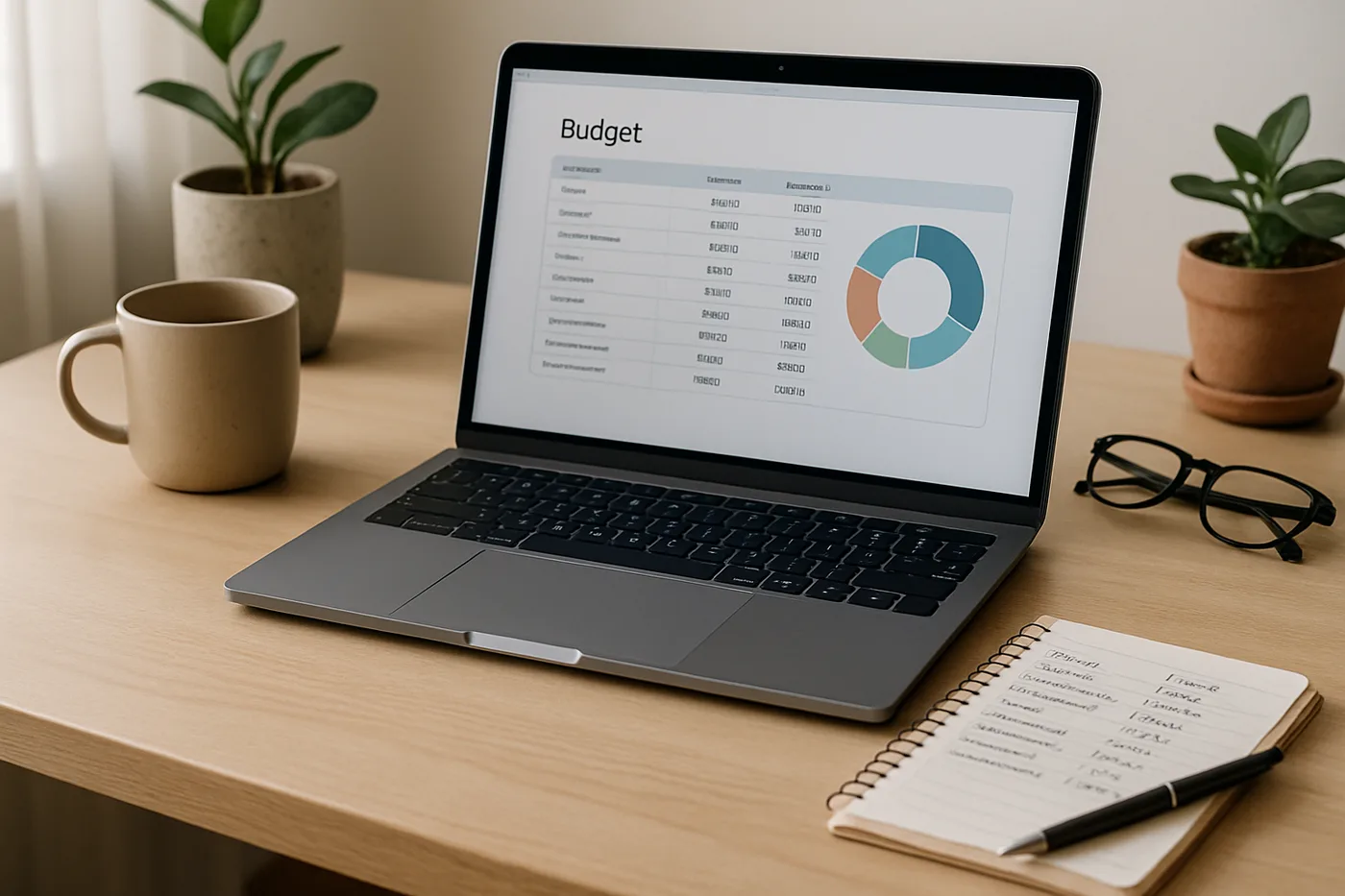
Next, it’s essential to track your spending meticulously. Use budgeting apps or spreadsheets to monitor your expenses in real-time, ensuring they align with your pre-set categories. This practice not only keeps you aware of your spending habits but also helps you adjust your budget as necessary. By keeping a close eye on your expenditures, you can avoid overspending and ensure that you have enough funds to pay off your credit card balance in full each month.
Finally, set up automatic payments for your credit card bills to ensure you never miss a due date. Most banks offer the option to automatically deduct the full balance from your checking account each month. This step is vital in maintaining a zero-balance strategy, as it prevents interest accumulation and helps build a positive credit history. By consistently paying off your balance, you can take full advantage of the benefits offered by credit cards without falling into debt.
- Align credit card spending with paycheck schedule
- Track expenses using budgeting apps or spreadsheets
- Set up automatic payments for full balance deduction
How Can You Track Spending Categories Effectively?
Tracking spending categories is a crucial component of paycheck budgeting with credit cards. By categorizing your expenses, you gain a clearer picture of where your money is going and can make informed decisions to prevent overspending. One effective way to track spending categories is by using budgeting apps that automatically categorize transactions for you. These apps can link to your credit card accounts, providing real-time updates and detailed reports of your spending habits.
Another method is to manually track your expenses using a spreadsheet or a budgeting journal. This approach requires discipline but offers a personalized touch, allowing you to categorize expenses according to your unique financial goals. You can create categories such as groceries, entertainment, utilities, and savings, and regularly update them to reflect your spending patterns. This proactive approach not only helps in maintaining budgetary control but also in identifying areas where you might need to cut back.
For those who prefer a more hands-on approach, envelope budgeting can be adapted for digital use. Allocate a specific amount for each category at the beginning of your pay cycle and track your spending to ensure you stay within these limits. This method reinforces mindful spending and encourages you to prioritize essential expenses over discretionary ones.
Pro Tip: Regularly reviewing your categorized expenses can help you identify unnecessary spending and adjust your budget accordingly. Set a monthly reminder to assess your financial habits and make necessary changes.
| Tracking Method | Advantages | Considerations |
|---|---|---|
| Budgeting Apps | Automated and real-time updates | Requires app familiarity |
| Spreadsheets | Customizable and detailed | Time-consuming |
| Envelope Budgeting | Encourages discipline | May need adaptation for digital use |
What Are the Benefits of Using Credit Cards Without Carrying a Balance?
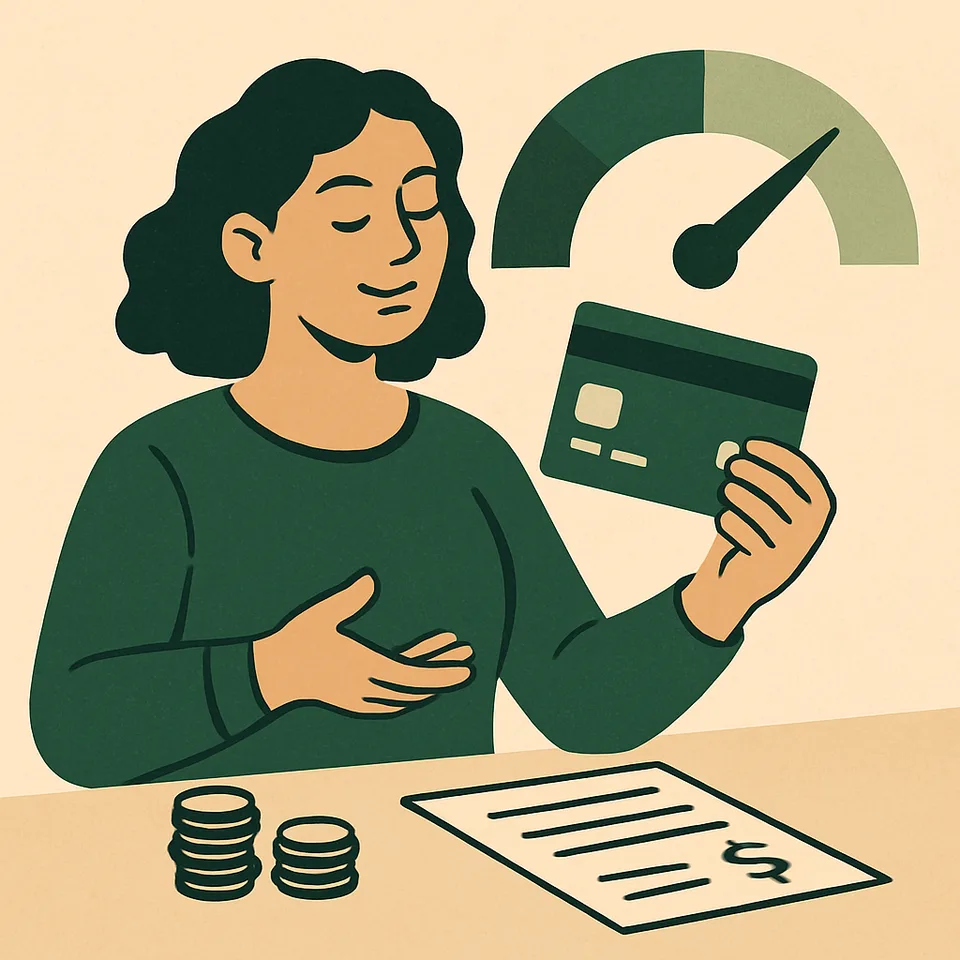
Using credit cards without carrying a balance can offer numerous advantages, particularly when integrated into a paycheck budgeting strategy. One of the primary benefits is the potential for improved credit scores. By consistently paying off your credit card balance in full each month, you demonstrate responsible credit usage to lenders. This behavior is reflected positively on your credit report, which can lead to a higher credit score over time. A strong credit score opens doors to better interest rates on loans and credit cards, saving you money in the long run.
In addition to credit score benefits, using credit cards responsibly can enhance your financial discipline. When you commit to a pay-in-full strategy, you are compelled to stay within your budget, as overspending would lead to an inability to pay off the balance. This encourages mindful spending and helps you avoid the pitfalls of debt accumulation. Furthermore, credit cards often come with rewards programs that can provide cash back, travel points, or other perks, adding an extra incentive to use them wisely.
Another advantage is the built-in tracking and categorization tools that many credit cards offer. These tools allow you to monitor your spending habits across different categories, making it easier to adhere to your budget. By regularly reviewing these reports, you can identify areas where you may be overspending and make necessary adjustments, ensuring that your financial goals remain on track.
How Can You Overcome Common Challenges in Paycheck Budgeting?
One of the most common challenges in paycheck budgeting with credit cards is the temptation to overspend. Credit cards can create a false sense of financial security, leading you to spend beyond your means. To overcome this, set strict spending limits based on your budget and adhere to them rigorously. Regularly monitoring your spending against these limits can help you stay disciplined and avoid debt accumulation.
Another challenge is the difficulty in keeping track of multiple spending categories. When using a credit card, it can be easy to lose sight of where your money is going. To tackle this issue, utilize budgeting apps or tools that categorize your transactions automatically. This will provide a clear overview of your spending patterns and help ensure that you are allocating funds appropriately across different categories.
Lastly, maintaining consistency in paying off your credit card balance in full each month can be challenging, especially if unexpected expenses arise. To mitigate this, establish an emergency fund to cover unforeseen costs without disrupting your budget. This way, you can continue paying your credit card balance in full and avoid interest charges.
Pro Tip: Set up alerts on your credit card account to notify you of your spending progress. This will help you stay within your budget and prevent overspending.
Budgetmend makes the paycheck-first system automatic
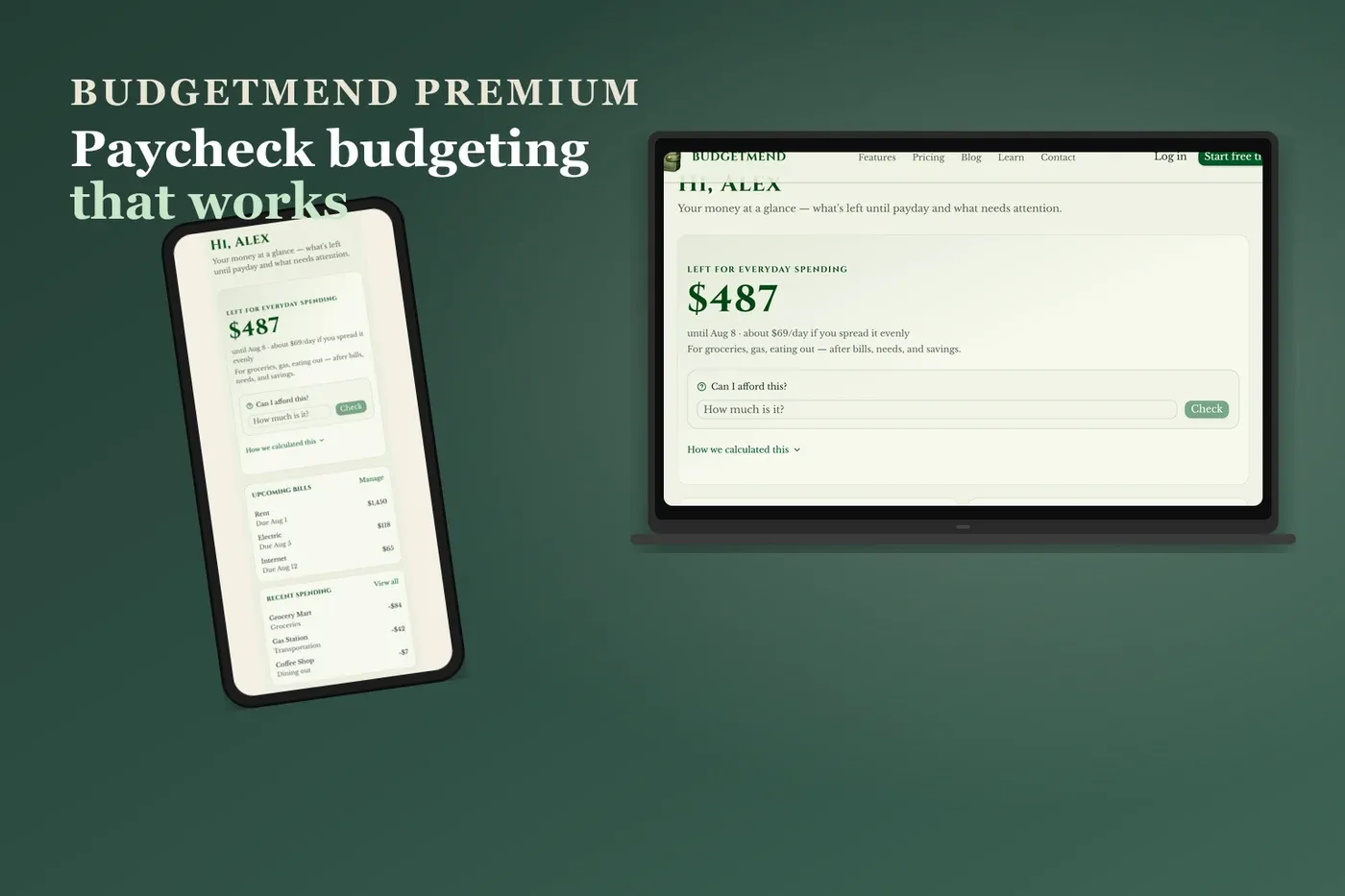
Budgetmend takes the hassle out of paycheck budgeting with credit cards by automating the paycheck-first system. Once you've set up your paycheck calendar, Budgetmend seamlessly aligns your income with your expenses, ensuring that each dollar is allocated before you even receive it. This proactive approach helps you manage your finances efficiently, allowing you to focus on what truly matters without the stress of manual budgeting.
With Budgetmend, bill matching becomes a breeze. The platform automatically matches your bills with your income, ensuring that you never miss a payment. This feature not only keeps your financial commitments on track but also helps you avoid unnecessary fees or penalties. By syncing your bills with your paycheck schedule, Budgetmend ensures that your bills are paid promptly, aligning perfectly with your financial goals.
One of the standout features of Budgetmend is the 'safe to spend' indicator. This tool provides a clear picture of your available funds after accounting for upcoming expenses, enabling you to make informed spending decisions. By integrating these features, Budgetmend transforms the paycheck budgeting process into a streamlined and stress-free experience. For a more organized financial life, consider setting up your paycheck calendar and let Budgetmend handle the rest.
Sources
The following sources informed the methods, formulas, and recommendations in this article.
- Bankrate: "How to Budget with a Credit Card" - This article provides insights on using credit cards for budgeting, emphasizing the importance of paying in full each month to avoid interest charges. https://www.bankrate.com/finance/credit-cards/how-to-budget-with-a-credit-card/
- Experian: "How to Use Credit Cards Wisely" - Experian discusses strategies for managing credit card use, including paying off balances in full to maintain financial health. https://www.experian.com/blogs/ask-experian/how-to-use-credit-cards-wisely/
- CFPB: "Managing Credit Card Debt" - The Consumer Financial Protection Bureau offers advice on managing credit card debt, highlighting the benefits of paying off your balance each month. https://www.consumerfinance.gov/ask-cfpb/how-can-i-manage-my-credit-card-debt-en-1697/
- Discover: "Budgeting with Credit Cards: Tips and Tricks" - Discover provides tips on using credit cards for budgeting, focusing on tracking expenses and paying off balances to avoid debt. https://www.discover.com/credit-cards/resources/budgeting-with-credit-cards/
- FDIC: "Credit Card Basics" - The FDIC explains the fundamentals of credit card use, including the importance of paying your balance in full to avoid interest and maintain a healthy credit score. https://www.fdic.gov/consumers/consumer/news/cnwin1718/credit-card-basics.html
Frequently asked questions
How can I budget my paycheck using credit cards?
To budget your paycheck using credit cards, start by allocating your paycheck into different spending categories like groceries, utilities, and entertainment. Use your credit card for purchases in these categories, ensuring you don't exceed the budgeted amount. Keep track of each transaction using budgeting apps or spreadsheets to monitor your spending in real-time. This method allows you to leverage credit card rewards while maintaining control over your finances. Always aim to pay off the full balance each month to avoid interest charges and maintain a healthy credit score.
What is a pay-in-full strategy?
A pay-in-full strategy involves paying off your entire credit card balance each month by the due date. This approach helps you avoid interest charges, maintain a good credit score, and build a positive credit history. To implement this strategy, ensure you only charge what you can afford to pay off with your monthly paycheck. This requires disciplined spending and regular monitoring of your credit card transactions. By sticking to this method, you can enjoy the benefits of credit card rewards without the burden of debt.
How do I track spending categories effectively?
To track spending categories effectively, use budgeting tools or apps that allow you to categorize transactions automatically. Start by setting up categories that align with your financial goals, such as dining, transportation, and savings. Regularly review your spending to ensure you stay within your budget for each category. Many credit card companies offer spending analysis tools that can help you visualize where your money goes. Consistent tracking helps you identify spending patterns, adjust budgets as needed, and ensure you're on track to meet your financial objectives.
Can I use credit cards without carrying a balance?
Yes, you can use credit cards without carrying a balance by adopting a pay-in-full strategy. This means paying off your credit card bill in full each month before the due date. By doing so, you avoid interest charges and maintain a healthy credit score. To achieve this, only charge what you can afford to pay off with your current paycheck. This requires disciplined spending and regular monitoring of your credit card usage. Using credit cards in this way allows you to benefit from rewards and build credit without accruing debt.
What are the benefits of paycheck budgeting with credit cards?
Paycheck budgeting with credit cards offers several benefits, including improved financial management and the potential for rewards. By using credit cards for budgeted expenses, you can earn cashback or points on your purchases. This method also encourages disciplined spending, as you must track expenses to ensure they align with your budget. Additionally, consistently paying off your balance in full helps maintain a healthy credit score and avoids interest charges. Overall, this strategy combines the convenience of credit card use with the financial discipline of budgeting, leading to better financial health.
Educational disclaimer
The information provided in this article is for educational purposes only and should not be considered financial advice. Please consult a financial advisor for personalized guidance.
Budgetmend provides budgeting tools and educational content. We are not a bank, lender, tax advisor, or investment advisor.
Related articles
More practical guides to help you plan around your paycheck.