Daily Money Habits
The 15-Minute Weekly Money Review That Prevents Surprises
Discover how a quick, weekly money review can help you avoid financial surprises and stay on top of your budget.

Introduction
Managing your finances doesn't have to be a daunting task. With a quick 15-minute weekly money review, you can stay on top of your budget and prevent unexpected financial surprises. This routine is especially helpful if you are paid weekly, biweekly, or monthly, as it aligns perfectly with your payday. By making this review a regular part of your financial routine, you can gain better control over your money and make informed decisions.
Why a Weekly Review Matters
A weekly money review helps you stay informed about your financial situation. It allows you to track your spending, adjust your budget, and set financial goals. Regular reviews can prevent overspending, ensure bills are paid on time, and help you save for future expenses.
For those who receive their paychecks on a regular schedule, aligning your review with payday can make budgeting more intuitive. It ensures that you are making financial decisions based on your most current income and expenses.
Setting Up Your Weekly Money Review
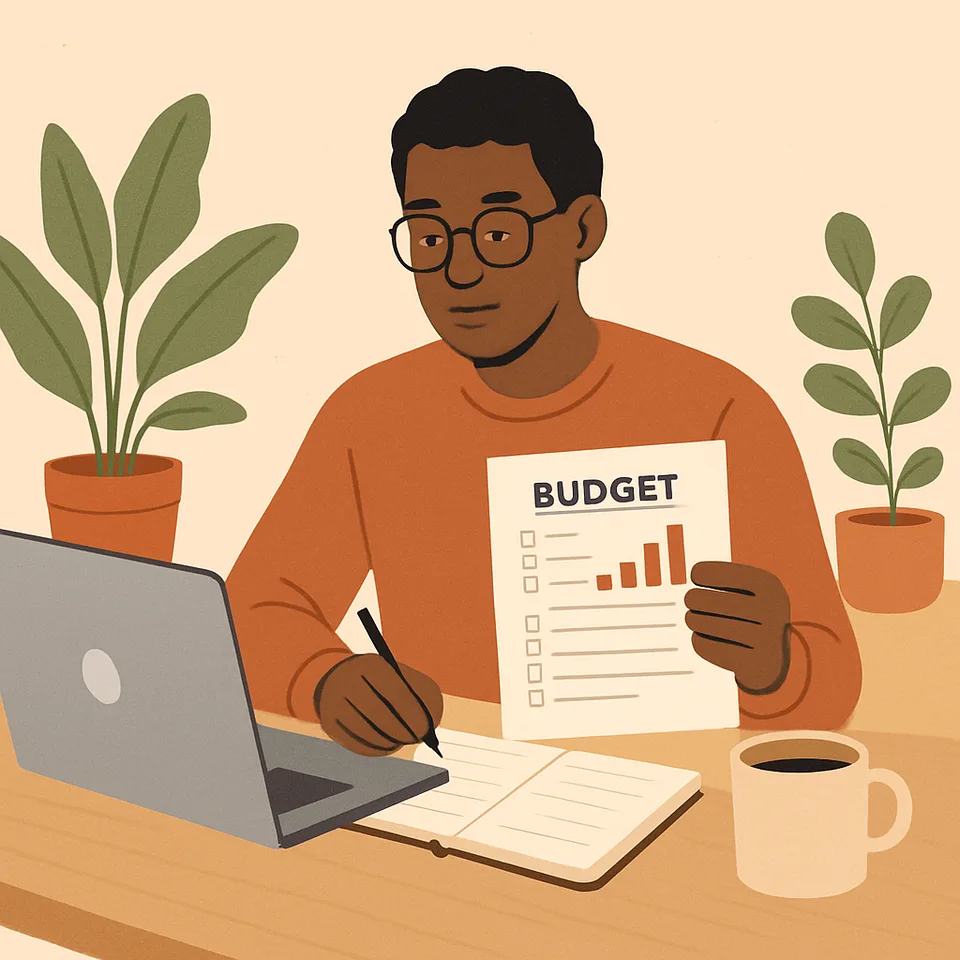
To start your weekly money review, set aside 15 minutes each week, ideally on or just after payday. This will help you make the most of your newly received funds. Choose a quiet time and place where you can focus without interruptions.
- Gather your financial tools: bank statements, budgeting app, recent receipts.
- Review your current balance and compare it to your budget.
- Check for any upcoming bills or expenses.
- Adjust your budget as needed based on any new expenses or changes in income.
Step-by-Step Guide to Your Weekly Review
Here's a simple checklist to guide you through your weekly money review:
1. **Review Last Week's Spending:** Look at your transactions from the past week. Categorize them into needs, wants, and savings. This will help you understand where your money is going.
2. **Compare to Budget:** Check if your spending aligns with your budget. If you've overspent in any category, identify why and adjust your future spending.
3. **Plan for Upcoming Expenses:** Note any bills or expenses due in the coming week. Make sure you have enough funds set aside to cover these costs.
4. **Update Financial Goals:** Reflect on your savings and debt repayment goals. Are you on track? If not, consider reallocating funds to meet these goals.
5. **Make Adjustments:** Based on your review, make any necessary adjustments to your budget. This might mean cutting back on non-essential spending or increasing savings contributions.
Tips for Making Your Review Effective
To ensure your weekly money review is effective, consider these tips:
1. **Be Consistent:** Make your review a non-negotiable part of your weekly routine. Consistency is key to financial success.
2. **Use Technology:** Utilize budgeting apps like Budgetmend to track your spending and manage your budget easily.
3. **Stay Positive:** Treat this time as an opportunity to improve your financial health, rather than a chore.
4. **Involve Your Partner:** If you share finances with a partner, involve them in the review process to ensure you're both on the same page.

Benefits of a Regular Money Review
Regular money reviews offer numerous benefits, including:
1. **Improved Financial Awareness:** You'll have a better understanding of your financial situation, which can help you make informed decisions.
2. **Reduced Financial Stress:** Knowing where your money goes can alleviate anxiety about finances.
3. **Better Financial Habits:** Regular reviews encourage mindful spending and saving, leading to healthier financial habits over time.
4. **Goal Achievement:** By keeping track of your progress, you'll be more likely to achieve your financial goals.
Frequently asked questions
How often should I conduct a money review?
A weekly money review is recommended, ideally aligning with your payday for the most accurate budgeting.
What tools do I need for a weekly money review?
You'll need access to your bank statements, a budgeting app, and any recent receipts to accurately track spending.
How can I make my money review more effective?
Be consistent, use technology like budgeting apps, and involve your partner if you share finances.
Why align the review with payday?
Aligning with payday ensures you're making financial decisions based on your latest income and expenses.
What if I don't have time for a weekly review?
Try to at least review your finances biweekly or monthly, but aim for weekly reviews to stay more informed and proactive.
Educational disclaimer
This content is for educational purposes only and is not intended as personalized financial advice. Please consult a financial advisor for advice specific to your financial situation.
Budgetmend provides budgeting tools and educational content. We are not a bank, lender, tax advisor, or investment advisor.
Related articles
More practical guides to help you plan around your paycheck.