Paycheck Planning
Mastering Budgeting When Your Income Changes Every Month
Learn how to budget effectively even when your income varies from month to month. Discover strategies for managing baseline expenses, sinking funds, and review rhythms.
Understanding Variable Income
Variable income can be a challenge to manage, especially when you’re trying to maintain a consistent budget. This type of income is common among freelancers, contractors, and commission-based workers. Unlike a fixed salary, variable income fluctuates, making financial planning more complex.
The key to managing variable income is to establish a budgeting system that accommodates these fluctuations. By focusing on essential financial strategies, you can maintain stability and avoid financial stress.

Establishing Baseline Expenses
Baseline expenses are the essential costs that you incur each month, regardless of your income level. These usually include rent or mortgage, utilities, groceries, insurance, and minimum debt payments. Identifying and prioritizing these expenses is crucial when budgeting with variable income.
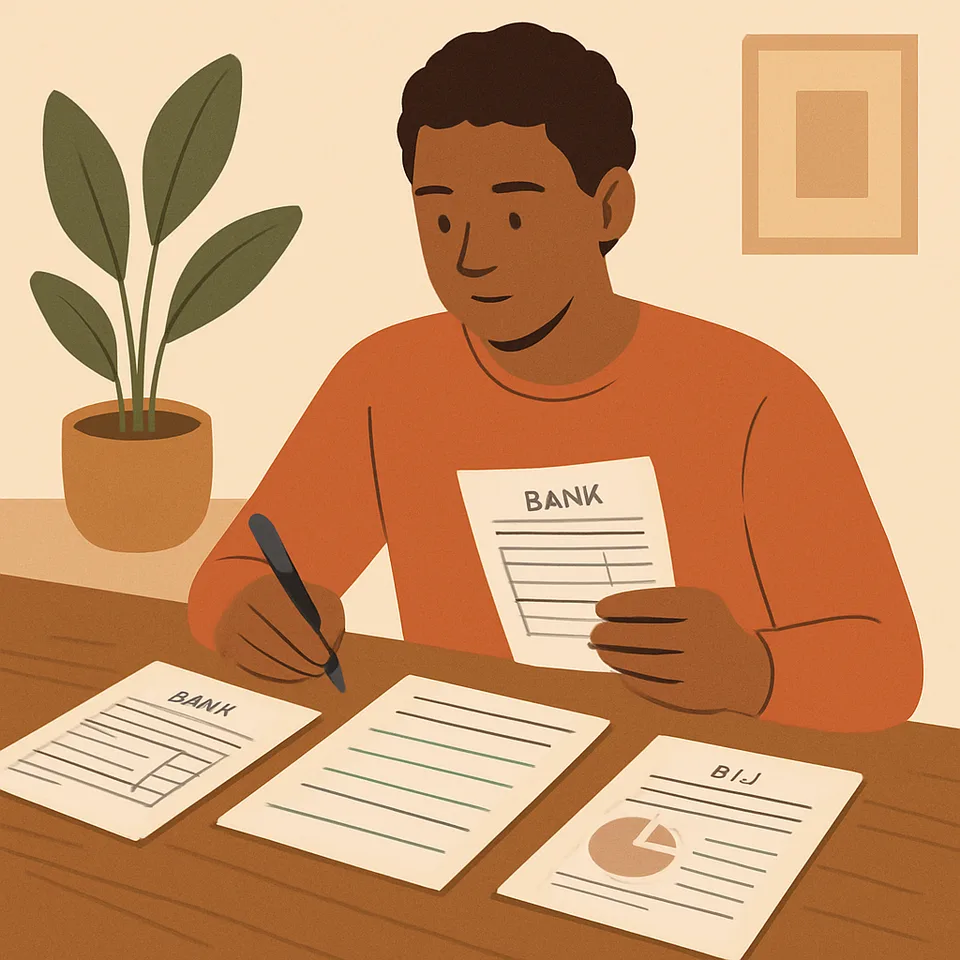
To determine your baseline expenses, review your past bank statements and bills to identify the minimum amount you need to cover your essentials. This figure gives you a starting point for your budget, ensuring that your basic needs are met even in low-income months.
- Review past bank statements to track essential expenses.
- Calculate the minimum amount needed for baseline expenses.
- Prioritize these expenses in your budget.
Building Sinking Funds
Sinking funds are savings set aside for specific future expenses. They are particularly useful when your income varies because they help you plan for irregular costs without disrupting your monthly budget.
To create a sinking fund, identify expenses that occur less frequently, such as car maintenance, annual insurance premiums, or holiday gifts. Divide the total expected cost by the number of months until the expense occurs, and set aside that amount each month. This strategy ensures that you’re prepared for these costs regardless of your income fluctuations.
- Identify irregular expenses (e.g., car maintenance, insurance premiums).
- Calculate the monthly savings needed for each sinking fund.
- Regularly contribute to these funds to prepare for future expenses.
Setting a Review Rhythm
A regular review rhythm is essential for managing a budget with variable income. By consistently evaluating your financial situation, you can adjust your budget to reflect your current income and expenses.
Consider reviewing your budget weekly, biweekly, or monthly, depending on your pay schedule. During each review, compare your actual income and expenses to your budgeted amounts. Adjust your spending and savings goals as needed to stay on track.
- Choose a review frequency that aligns with your pay schedule.
- Compare actual income and expenses to your budget.
- Adjust your budget as needed to accommodate changes.
Strategies for Paycheck-Based Budgeting
When dealing with variable income, paycheck-based budgeting can be an effective strategy. This approach involves organizing your budget around each paycheck rather than a monthly cycle.
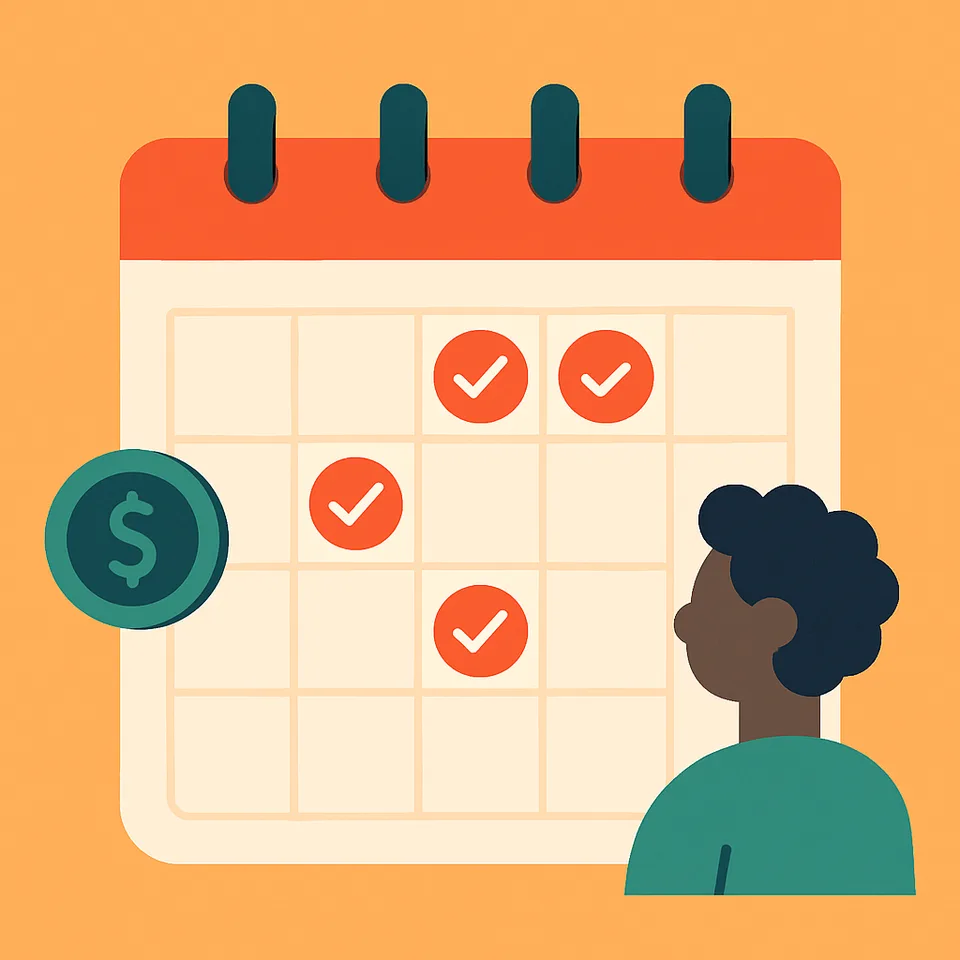
Start by dividing your expenses into categories that align with your pay periods. Allocate funds from each paycheck to cover expenses due before your next payday. This method helps you manage cash flow and ensures that you always have funds available for upcoming bills.
- Align expenses with your pay periods.
- Allocate funds from each paycheck to cover immediate expenses.
- Monitor cash flow to ensure bills are paid on time.
The Importance of an Emergency Fund
An emergency fund is a crucial component of financial security, especially when your income is unpredictable. It acts as a financial buffer, providing peace of mind that you can cover unexpected expenses or income gaps.
Aim to save three to six months’ worth of baseline expenses in your emergency fund. Start small if necessary, and gradually increase your savings over time. This fund will help you navigate financial uncertainties without derailing your budget.
- Save three to six months’ worth of expenses.
- Start small and increase savings gradually.
- Use the fund for unexpected expenses or income gaps.
Frequently asked questions
How do I calculate my baseline expenses?
Review your past bank statements to identify essential monthly costs such as rent, utilities, groceries, and insurance. Sum these to find your baseline expenses.
What are sinking funds?
Sinking funds are savings set aside for specific future expenses, helping you plan for irregular costs without disrupting your monthly budget.
How often should I review my budget?
Review your budget weekly, biweekly, or monthly, depending on your pay schedule, to ensure it aligns with your current income and expenses.
Why is an emergency fund important?
An emergency fund provides a financial buffer for unexpected expenses or income gaps, offering peace of mind and stability in your budget.
How can I budget with a variable income?
Focus on establishing baseline expenses, building sinking funds, setting a review rhythm, and employing paycheck-based budgeting strategies.
Educational disclaimer
This content is for educational purposes only and does not constitute personalized financial advice. Please consult a financial advisor for advice specific to your financial situation.
Budgetmend provides budgeting tools and educational content. We are not a bank, lender, tax advisor, or investment advisor.
Related articles
More practical guides to help you plan around your paycheck.