Debt
Debt Snowball vs Avalanche: Which Fits Your Pay Schedule?
Explore the debt snowball and avalanche methods. Learn which fits your pay schedule for effective debt management.

Understanding Debt Snowball and Avalanche
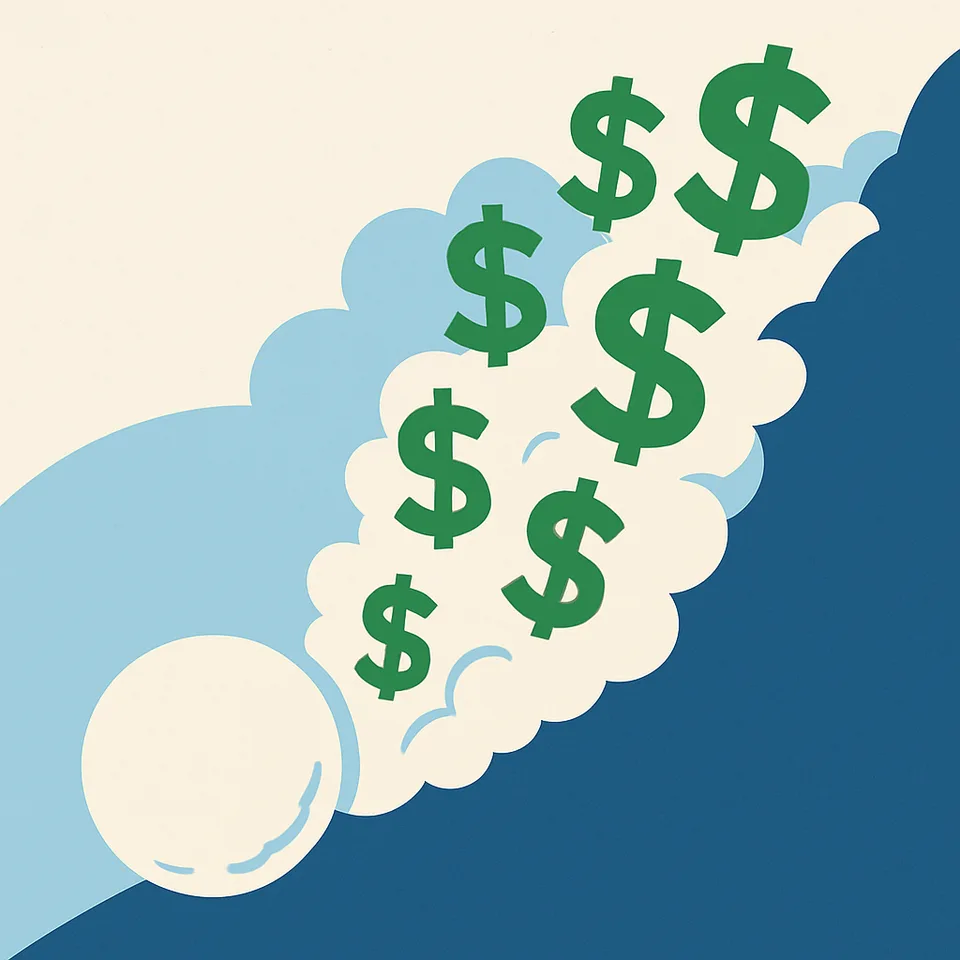
When it comes to paying off debt, two popular strategies often come up: the debt snowball and the debt avalanche methods. Both have their unique advantages and can be particularly effective when aligned with your pay schedule. Understanding these methods can help you choose the one that best fits your financial situation.
The debt snowball method involves paying off your debts starting with the smallest balance first, regardless of the interest rate. This method is particularly beneficial for those who need quick wins to stay motivated. On the other hand, the debt avalanche method focuses on paying off debts with the highest interest rates first. This approach can save you more money in interest over time.
Aligning Methods with Your Pay Schedule
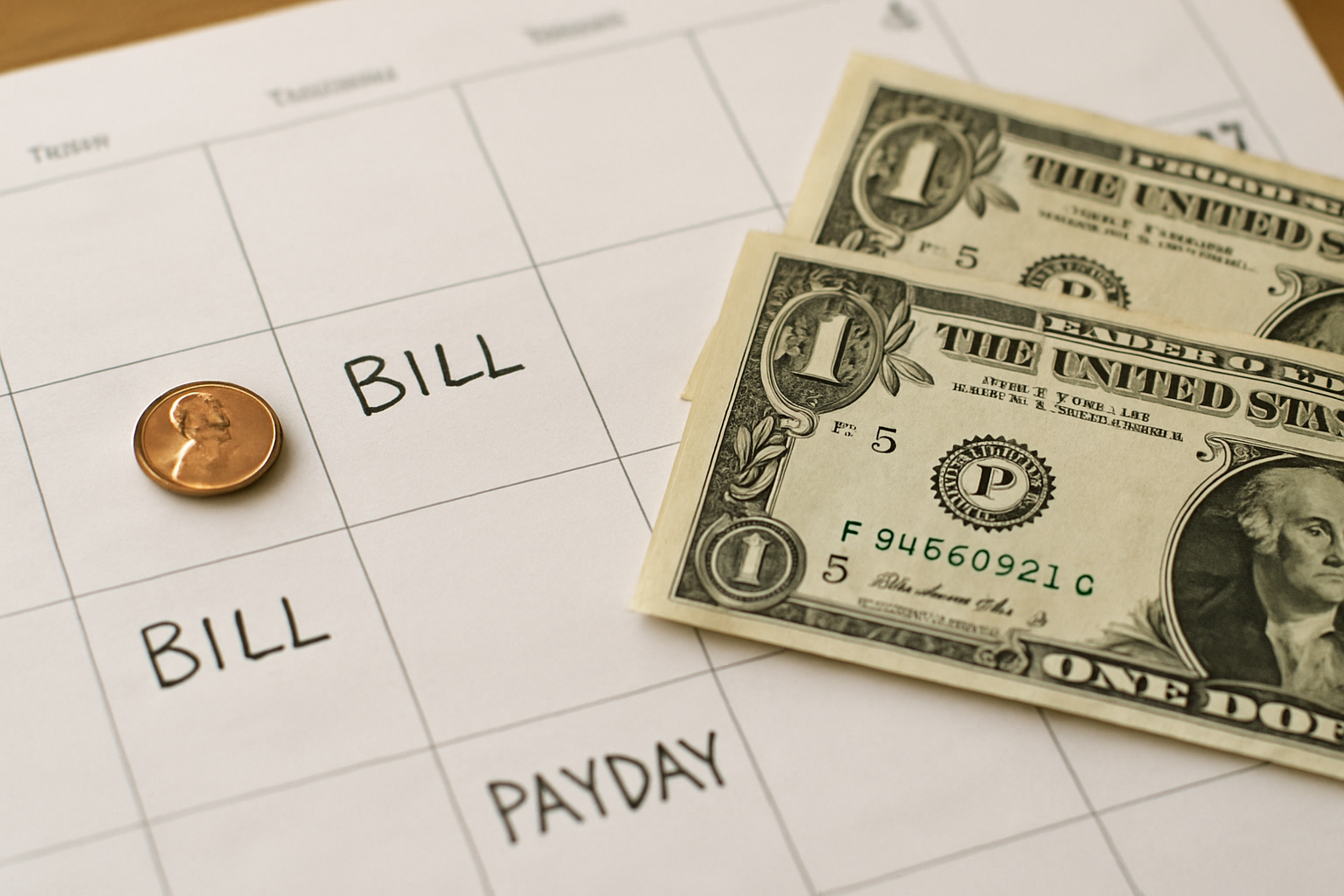
Your pay schedule plays a crucial role in how you manage your debt repayment strategy. Whether you're paid weekly, biweekly, or monthly, aligning your debt repayment method with your income schedule can maximize efficiency and keep you on track.
For those paid weekly, the debt snowball method can be particularly motivating. Since you receive income more frequently, you can apply extra payments to your smallest debts quickly, seeing progress each week. This frequent progress can boost your motivation and commitment to the plan.
If you're paid biweekly, both methods can work well depending on your debt profile. With the debt avalanche method, you can use your extra paycheck (the third paycheck in two months of the year) to make significant payments on high-interest debts, reducing the amount of interest you pay over time.
Monthly pay schedules might align better with the debt avalanche method, especially if your debts have high-interest rates. Since you receive a lump sum once a month, you can allocate a significant portion to the highest interest debt, minimizing interest accumulation.
Practical Steps for Debt Repayment
Regardless of the method you choose, following a structured plan is essential for effective debt repayment. Here are some practical steps to get started:
- List all your debts with their balances and interest rates.
- Decide which method aligns with your financial goals and pay schedule.
- Create a budget that prioritizes debt repayment while covering essential expenses.
- Use any extra income or windfalls to make additional payments.
- Regularly review your progress and adjust your strategy as needed.

Examples of Pay Schedule Alignment
Let's look at some examples of how different pay schedules can align with the debt snowball and avalanche methods.
Imagine you're paid weekly and have three debts: $500 at 5%, $1,500 at 15%, and $2,000 at 10%. Using the debt snowball method, you would focus on the $500 debt first, making extra payments each week. This approach quickly eliminates the smallest debt, providing a psychological boost.
If you're paid biweekly and have debts of $1,000 at 20%, $2,500 at 10%, and $3,000 at 5%, the debt avalanche method might be more suitable. You can direct your regular payments to the $1,000 debt and use your third paycheck to make a significant dent, reducing the overall interest paid.
For those paid monthly with debts of $1,200 at 18%, $3,000 at 8%, and $4,500 at 12%, using the debt avalanche method allows you to allocate a substantial portion of your paycheck to the $1,200 debt, minimizing interest costs over time.
Choosing the Right Method for You
Ultimately, the best debt repayment method is the one that fits your financial situation and keeps you motivated. Consider your personal preferences, the psychological benefits of quick wins, and the financial impact of interest savings when making your decision.
Remember, the key is consistency. Whichever method you choose, sticking to your plan and making regular payments will lead you toward financial freedom.
Frequently asked questions
What is the debt snowball method?
The debt snowball method involves paying off debts starting with the smallest balance first, which can provide quick motivational wins.
How does the debt avalanche method work?
The debt avalanche method focuses on paying off debts with the highest interest rates first, saving money on interest over time.
Which debt repayment method is best for a weekly pay schedule?
The debt snowball method can be motivating for weekly pay schedules due to frequent progress on smaller debts.
Can I switch between debt snowball and avalanche methods?
Yes, you can switch methods if your financial situation or personal preferences change. The key is to stay consistent with payments.
How can I make my debt repayment plan more effective?
Align your repayment method with your pay schedule, create a realistic budget, and use extra income to make additional payments.
Educational disclaimer
This content is for educational purposes only and should not be considered personalized financial advice. Please consult a financial advisor for advice specific to your situation.
Budgetmend provides budgeting tools and educational content. We are not a bank, lender, tax advisor, or investment advisor.
Related articles
More practical guides to help you plan around your paycheck.